Open Web SearchOpen Mobile SearchOpen Mobile Menu

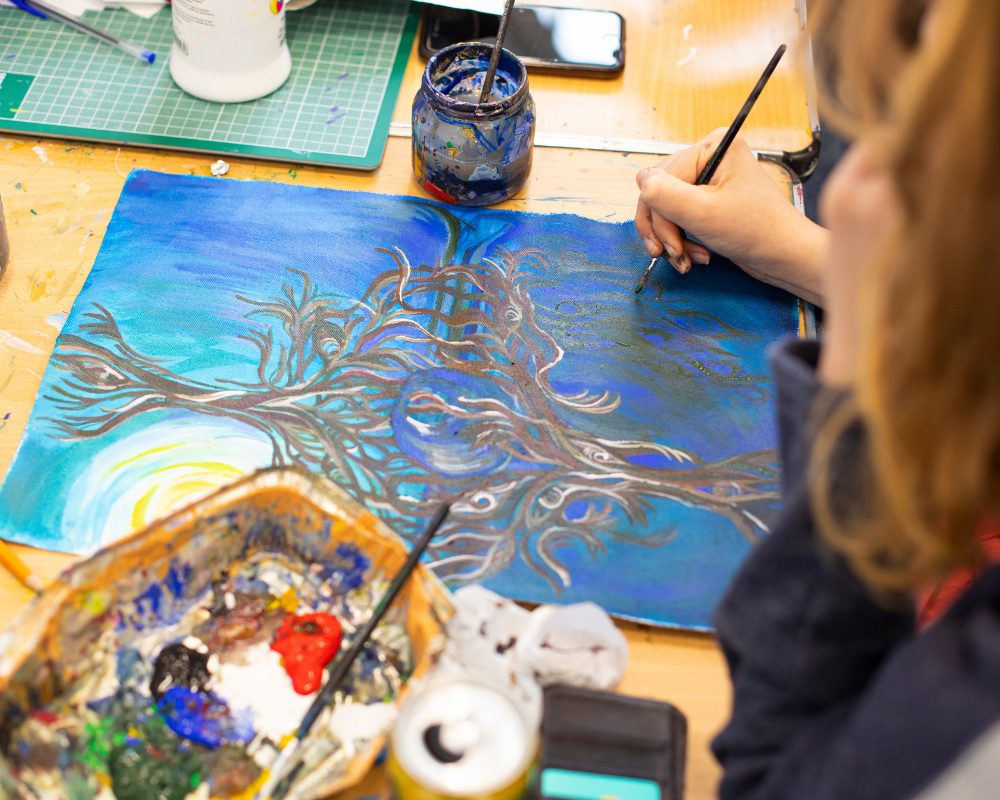
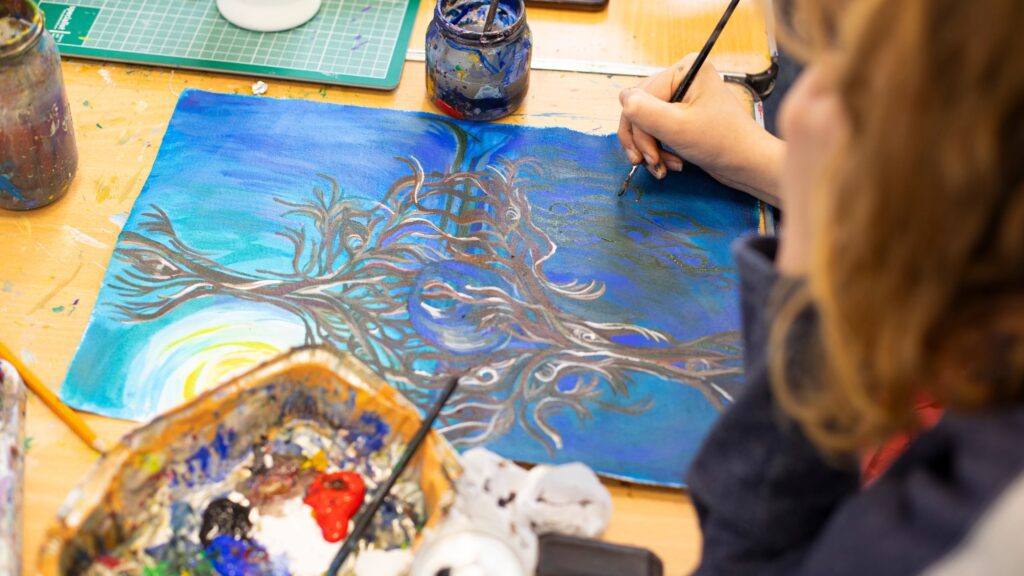
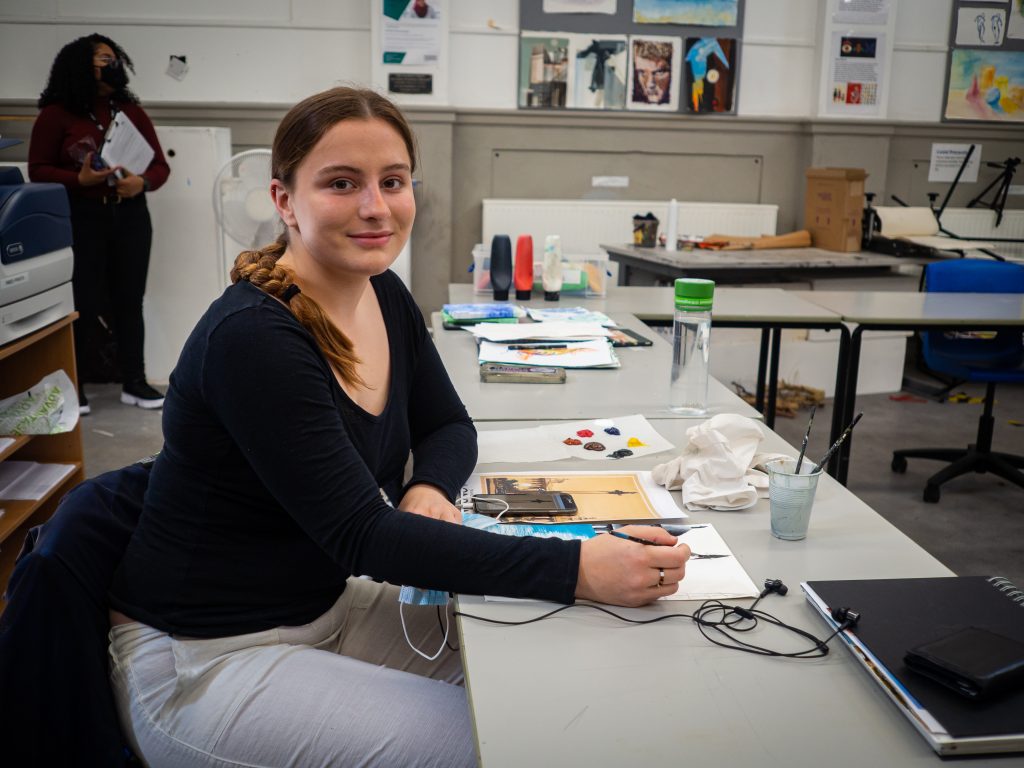
Study a UAL Foundation Diploma for free in London at WM College

From 2026–27, most London-based learners aged 19+ will be able to study the UAL Foundation Diploma in Art & Design at WM College free of charge.

The new funding opportunity will make specialist art and design education more accessible to aspiring creatives preparing for university or careers in the creative industries.

Who will still need to pay course fees?

You will need to pay the course fee if you:

  • already hold a full Level 3 qualification* and earn above the London Living Wage, or
  • live outside London.

For those learners, the course fee will be £5,421.

For learners who need to pay course fees, we want to make the process as manageable as possible. You can choose to:

Please note that there is no Advanced Learner Loan available for this course.

Applications for the UAL Foundation Diploma are still open

Applications for our Foundation Diploma are still open, and we’d love to hear from anyone looking to develop their portfolio, explore their creative direction, and prepare for university or a future creative career.

Last year, 100% of our Foundation Diploma learners progressed to their first-choice university, and we’re incredibly proud of the supportive, creative community we’ve built here at WM College.

Join us at a Talk & Tour event

Talk & Tour events are the perfect way to learn more about the UAL Foundation Diploma and explore our studios, creative spaces, and facilities at WM College.

If you’re thinking about applying, these sessions are a great opportunity to meet the team, ask questions about the course and funding changes, and get a feel for learner life at WM College.

Our next event will be taking place on Tue 16 Jun 2026 | 10:00–12:00

Supporting the next generation of creative learners

The UAL Foundation Diploma is designed to help learners build confidence in their creative practice while preparing for higher education and careers in the arts.

If you have questions about funding or eligibility, our Learner Services team is always happy to help at Learnerservices@wmcollege.ac.uk.

Foundation Art and Design

*A full Level 3 qualification includes: 2 or more A Levels, 4 or more AS Levels, or a Level 3 QCF Diploma/NVQ.

How to get started in Acting: Advice from a Drama tutor at WM College

Many people say they want to be actors. Far fewer understand the work that sits behind the spotlight. Acting is more than memorising lines or delivering a performance. It’s a craft that requires imagination, resilience, and courage to explore.

Understanding what the profession is really like is the first step to building strong skills and real confidence. We spoke to our Acting and Drama tutor about his experience in the industry and what learners can expect from the course.

Performing arts : Acting and drama

Meet WM College tutor, Christopher 

WM College is delighted to welcome Christopher as our new Acting and Drama tutor. With over 14 years of experience as a professional actor, he has performed in Shakespearean productions, on screen, and in the growing world of video games.

Alongside his acting career, Christopher has always been passionate about teaching, delivering guest lectures at universities and coaching aspiring performers in rehearsal rooms.

His approach focuses on helping learners build confidence, develop their skills, find their voice, and understand what it truly means to be a performer.

Catch up below on Christopher’s experience and insights on the craft of acting and drama.

Chirstopher White

Q: Can you tell us a bit about your journey in acting and drama and teaching?

I’ve been a professional actor for the last 14 years or so. I’ve always taught alongside my time acting and writing – whether that has been guest lecturing on Shakespearean verse at universities or teaching training actors. The majority of my career has been working on stage, mostly in Shakespearean productions, but also in screen work. In the last five years, I have moved into the world of computer games, which has been the most fun I’ve had. 

Q: What drew you to teaching acting and drama?

Having found that teaching creative writing has improved my skills as a playwright, the same is true for teaching acting – I’ve learned more about my craft watching actors develop and hone their skills. 

Q: Who is this course aimed at, and what can learners expect to gain?

The course is aimed at anyone with a creative itch to scratch. We will look at different theorists and practitioners, as well as doing a lot of practical script and text work. But learning about acting is not a one-size-fits-all; we will see where your strengths and weaknesses lie and help develop your own personal toolkit. 

Q: Will there be opportunities for collaborative or performance work during the course?

All acting is reacting, so it will be inherently collaborative – there will be space to learn about monologue and soliloquy too, but 90% of the work we will do will be on our feet exploring performance skills. 

Q: What’s your favourite part about teaching acting or drama?

We call it a ‘play’; that thing on a stage is called a ‘play,’ and that is what we as actors should be focused on doing: learning how to play again. “We don’t stop playing because we grow old, we grow old because we stop playing”. Seeing performers find a little of their five-year-old selves again and work from a place of spontaneity and without a fear of failure – reaching that point is the most satisfying part. 

Q: Is there a piece of advice you always give to aspiring actors?

Don’t be afraid to be rubbish, don’t be afraid to fail. If you can get over that hurdle, everything is way easier. But I’d also say that if you’re hoping to be an actor just to be famous, then you don’t want to be an actor. This course is about learning to be a storyteller who works from a place of being an authentic human. 

Q: What do you hope learners will take away from your course?

I hope they find confidence, a sense of play, I hope they become more articulate and free in their voice and bodies, but most of all, I hope they are able to see a piece of text and have a better understanding of how to serve the story. 

Enrol on our acting and drama course

If you’d love to build confidence, get creative and learn by doing, our performing arts courses at WM College are the perfect place to start.
Enrol now in WM College’s Acting and Drama course and start your journey as a storyteller.

Learner’s spotlight: Hilary’s journey through printmaking to the Royal Academy

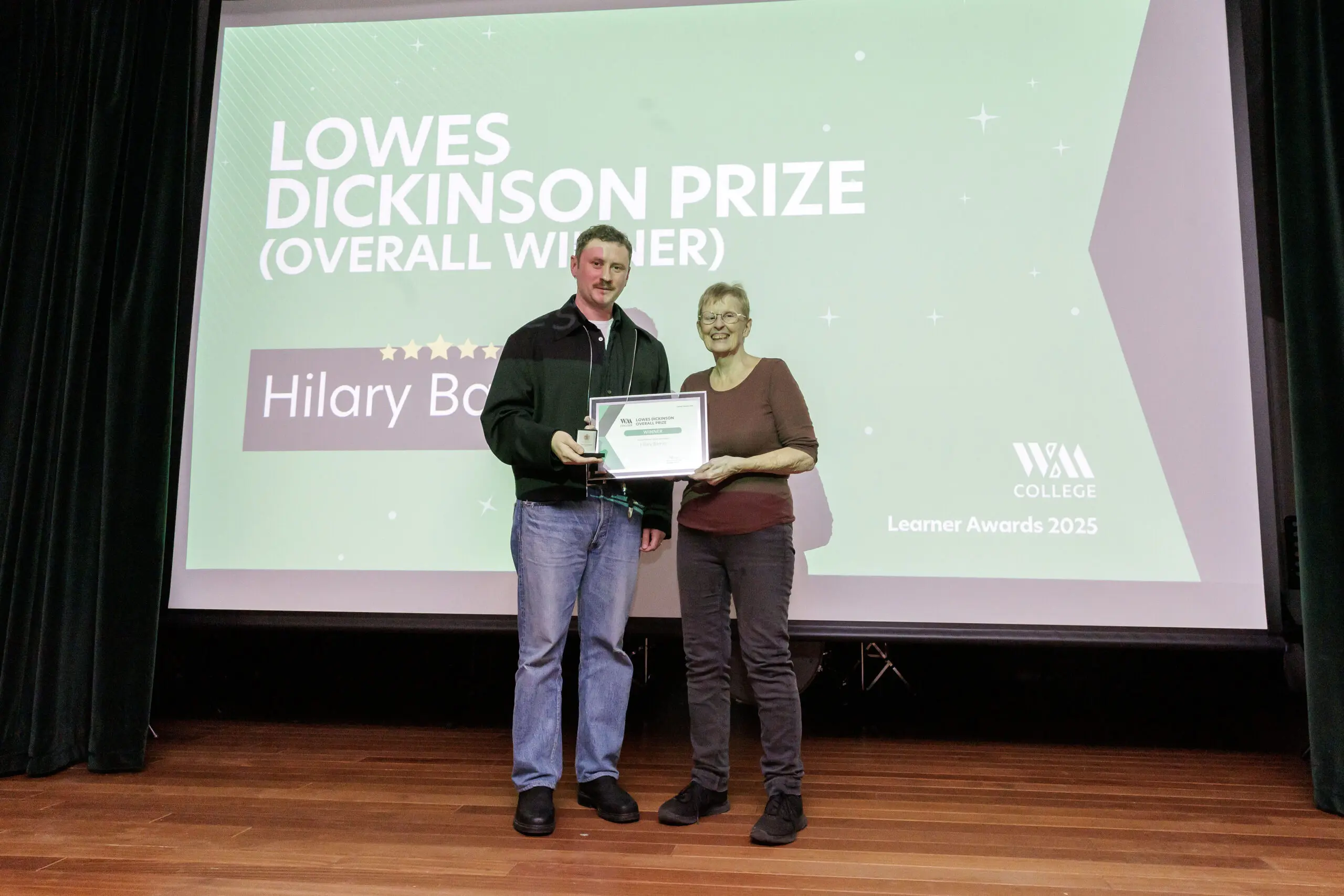
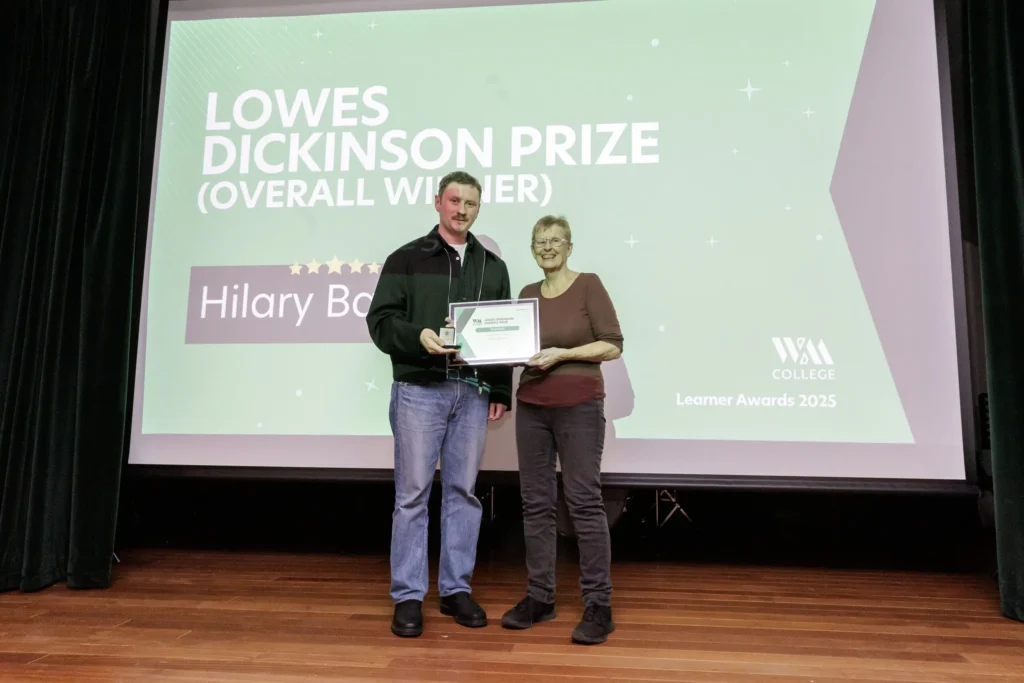
Learner Hilary's winning moment - Lowes dickinson prize for printmaking

Exploring creativity after retirement 

Hilary discovered that retirement could be the start of a new creative chapter. Drawing had been part of her life since the 1970s, but her enrolment in printmaking courses for adults at WM College transformed a private hobby into a serious artistic practice. From experimenting with etching in a short course to exhibiting at the Royal Academy, Hilary’s journey shows how adult education can unlock hidden potential at any stage of life. 

Her creative journey didn’t begin with a bold career change. Hilary had been attending life drawing classes at the College since 1973, when it was based in Kentish Town. Drawing had been a constant through decades of professional responsibility, yet it had always lived quietly on the edges of her daily life. The two-day etching course shifted that balance, moving her art from the margins to the center of her retirement. 

“I didn’t see it as the beginning of anything,” she says. “I just wanted to try etching properly.” 

Learning printmaking 

The etching process captivated Hilary from the start. Preparing the plate, drawing into metal, allowing the acid to bite, and lifting the paper from the press revealed both the precision and unpredictability of printmaking. It demanded patience, rewarded experimentation, and required focus. 

Two days were not enough. What began as curiosity quickly became a commitment to learning and developing her practice. 

That initial course led to a year on the UAL Art Foundation programme at WM College. From there, Hilary progressed to a BA in Fine Art at Middlesex University and then completed her Masters in Printmaking from 2018 to 2020. Printmaking became not just an interest, but a practice that defined her life. 

Exhibiting prints at the Royal Academy 

Since completing her postgraduate studies, Hilary has exhibited at the Royal Academy Summer Show four times. These achievements were not the result of sudden reinvention, but steady development supported by studio access, expert tuition, and sustained commitment. 

“Without WM College,” she reflects, “I would have remained a community worker who drew. Instead, I became a practising artist.” 

Her journey illustrates something important about adult education. It is not only about gaining qualifications or changing careers. It is about creating the conditions in which long-held interests can develop into expertise. It is about access to space, teaching, and a community of serious learners. 

Lifelong learning 

Hilary continues to study in the College print room, experimenting with new etching methods and expanding her practice.

“Printmaking is now my life,” she says. 

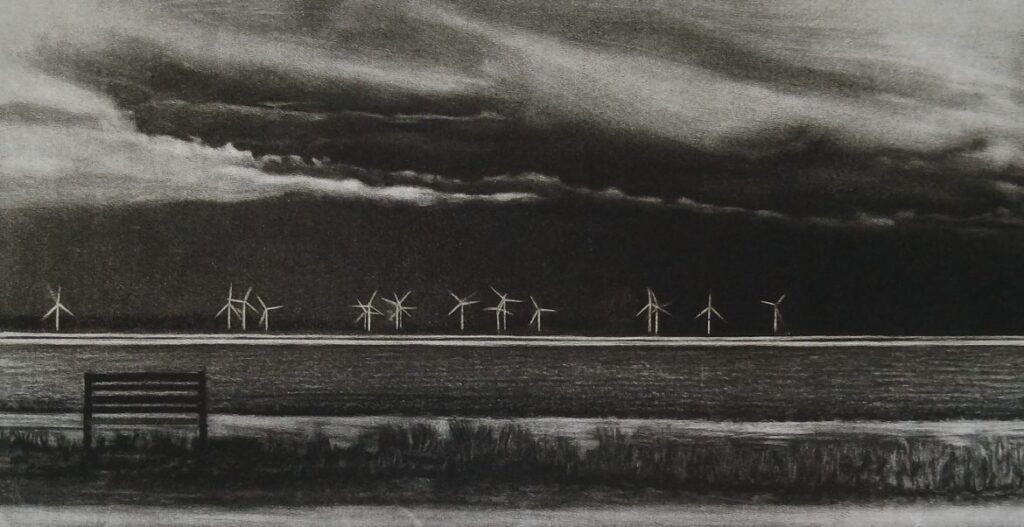
Learner Hilary's work - Synchrony

During her time at WM College, she was awarded the Lowes Dickinson Award in 2025 for her piece “Synchrony”, recognising her as the overall winner. 

In a climate where lifelong learning is often spoken about in abstract terms, Hilary’s experience shows what lifelong learning looks like in practice. It builds over time, grows through curiosity, and strengthens with opportunity. 

For anyone interested in exploring their creativity, courses like printmaking and etching at WM College offer the space, support, and community to take that first step. 

Screen free hobbies: 9 creative ways to relax and recharge

Let’s be honest, screens are everywhere. Phones, laptops, TVs, sometimes it feels like we’re glued to them 24/7.  

And honestly? It can get exhausting.  

According to the Vision Council, an optical industry group, 80% of adults report using digital devices for more than two hours a day. Modern life keeps us constantly connected, but too much screen time can cause stress, fatigue, and even reduced productivity. 

That’s why many adults are turning to screen-free hobbies to switch off, reset, and reconnect with creativity.

Take a look at our top nine inspiring screen-free hobbies you can start with at WM College.

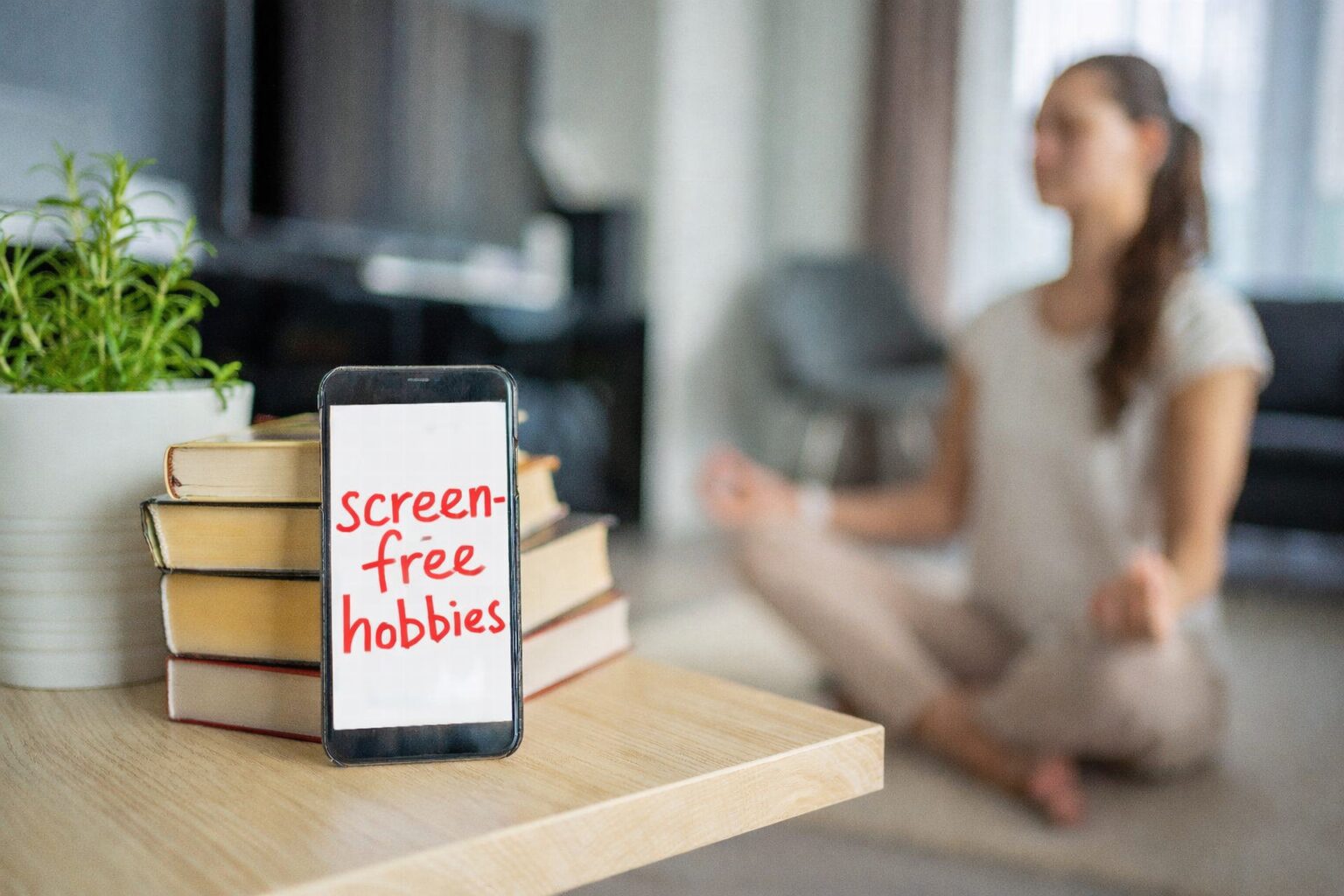
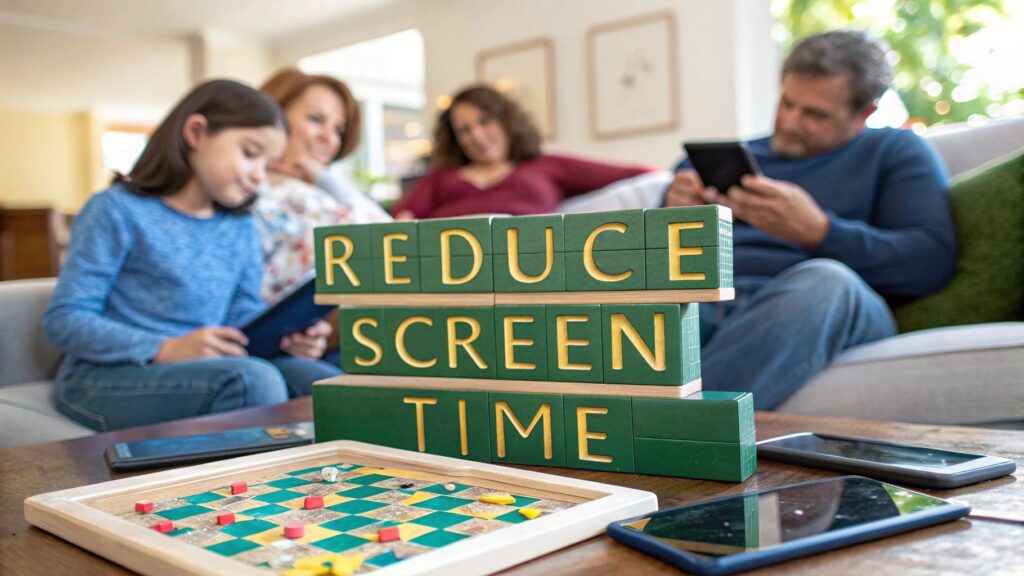
reduce screen time by taking screen free hobbies

Try these creative screen-free hobbies 

1. Painting 

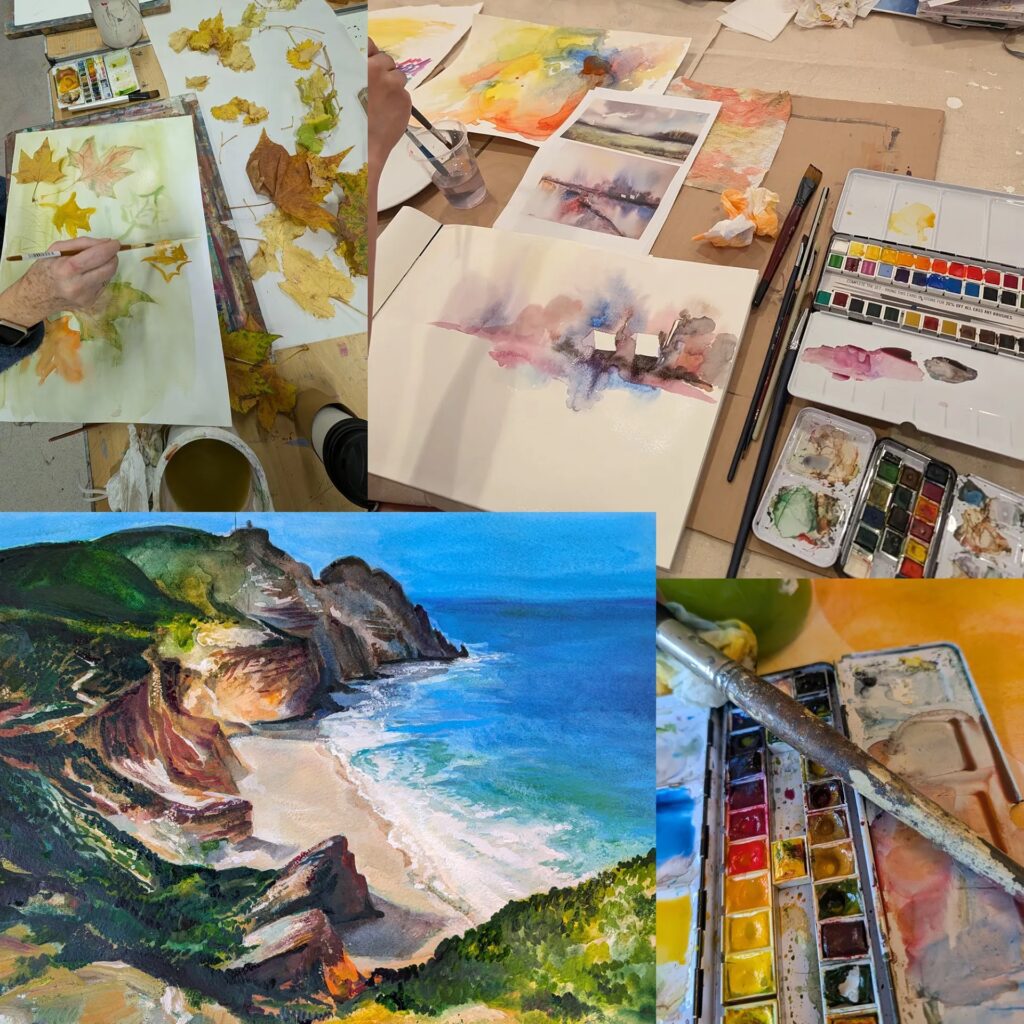
Watercolouring is perfect if you want a calm, mindful hobby. There’s no need to worry about creating a masterpiece; starting with leaves, flowers, or simple landscapes is enough to enjoy the soothing flow of paint. For those who want extra guidance, our Watercolour Painting course introduces you to the basics, shows you fun techniques, and helps you experiment in a relaxed, supportive environment. 

Watercolor painting class as a relaxing screen free hobby

learning a language as a creative screen free hobby

2. Learn a language 

Learning a new language is one of the most fun and screen-free ways to challenge your brain while connecting with other cultures. Flashcards, handwritten vocabulary lists and conversation practice are excellent screen-free hobby alternatives to language apps.

To make it even more engaging, try pairing your learning with cultural activities, e.g., cooking a recipe from the country, listening to its music, or joining one of our language courses at WM College, which guide beginners step by step and make learning fun and stress-free. 


3. Learn to play the guitar  

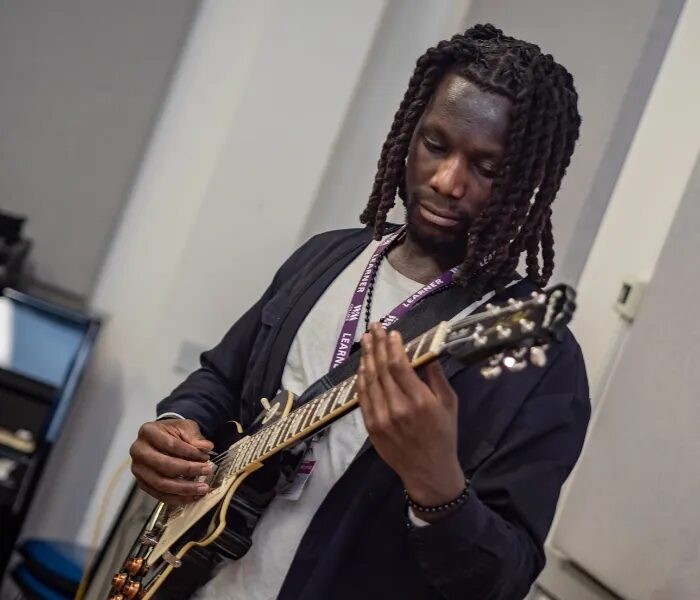
Learning to play the guitar is one of those hobbies that rewards curiosity and persistence. Even ten minutes a day can leave you feeling accomplished and calm. Some people love experimenting alone, letting the chords surprise them. Others enjoy the buzz of learning in a group, where a friendly tutor can nudge you past tricky moments. At WM College, our adult guitar classes offer that perfect balance: guidance without pressure, support without judgment, and a chance to share music with others who are just as curious as you are. 

Adult guitar lesson as one of the best screen free hobbies

Patchwork and quilting workshop screen free hobby

4. Patchwork & quilting 

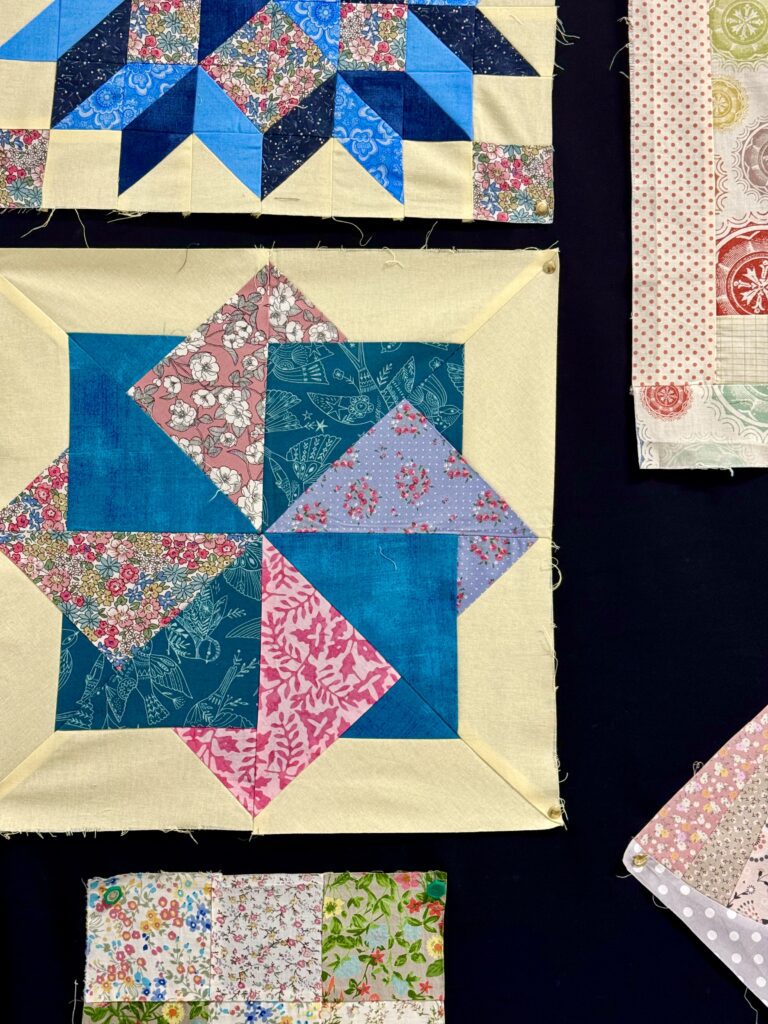
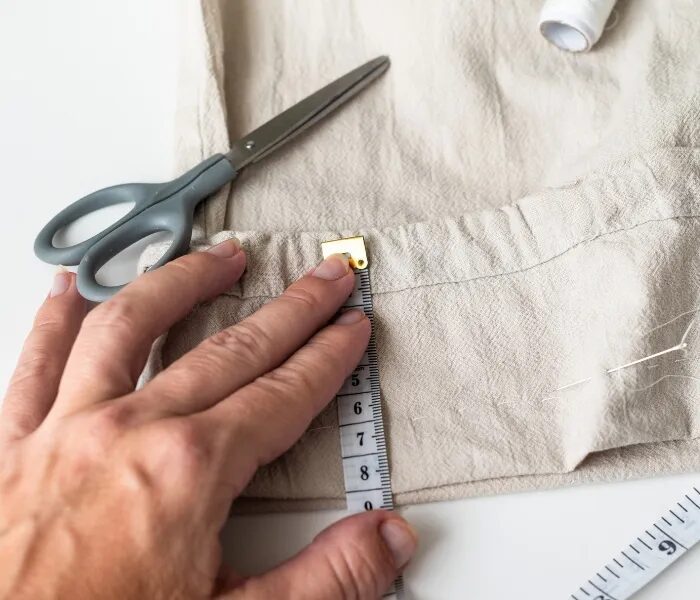
Patchworking is one of those hobbies that quietly draws you in. Learning how to measure, cut, and stitch gives your hands something to do and your mind a chance to slow down.

Some people enjoy figuring it out at home, while others prefer learning alongside others, sharing tips and ideas as they go. That’s where a local class, such as our patchwork and quilting courses, can be helpful, offering a gentle starting point and the space to learn at your own pace.


5. Join a choir 

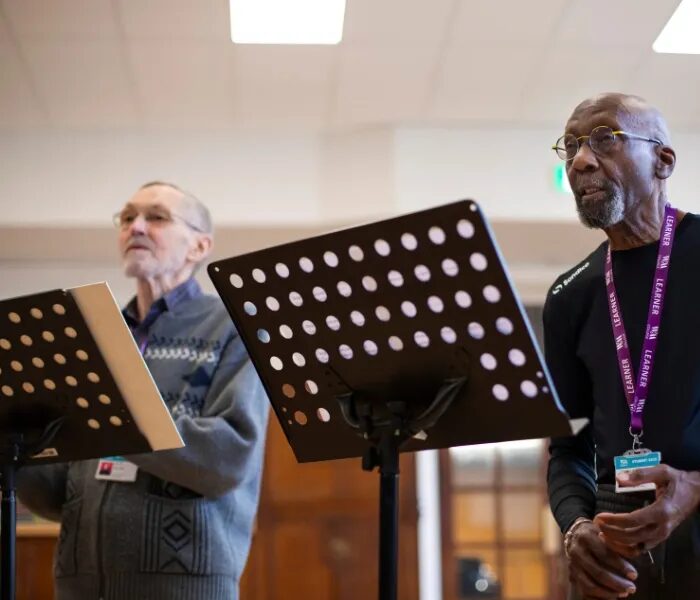
Joining a choir brings the added joy of making music with others, learning songs together, and sharing the experience in a friendly, supportive environment. Our adult choir classes provide guidance in a relaxed setting where you can practice, build confidence, and meet others who enjoy music. It’s low-pressure, creative, and a simple way to take a break while doing something enjoyable. 

Community choir rehearsal screen free hobby for adults

Beginner sewing class creative hobbies

6. Learn how to tailor

Making bags or small textile projects combines creativity with practical skills. Working through a project from start to finish can be very satisfying. Our beginner-friendly classes in textiles offer step-by-step guidance in a relaxed environment. You can learn techniques, explore different fabrics, and enjoy the process at your own pace. It’s a calm, hands-on hobby that lets you focus, experiment, and take pride in something you’ve made yourself.


7. Acting 

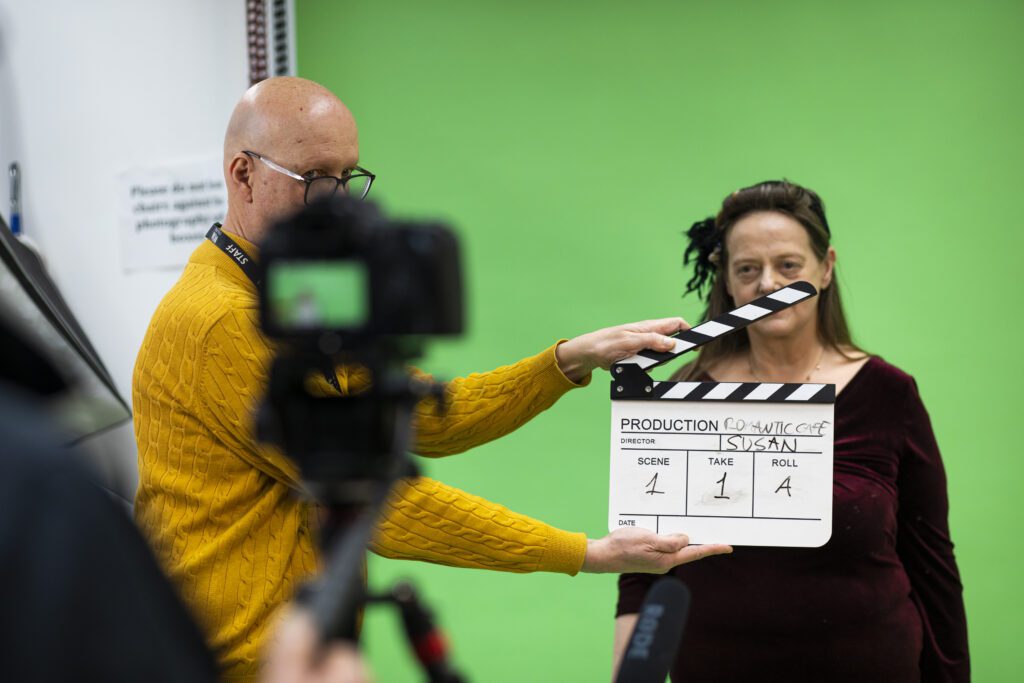
Acting is a great way to get out of your head and into the moment. Practicing short scenes, improvisation, or movement exercises helps you build confidence, express yourself, and enjoy being creative. Joining a small, supportive group can make it easier to try new things, share ideas, and enjoy the process alongside others.  

Explore WM College acting courses

Adult acting class in London

Beginner yoga class relaxing screen free hobby

8. Yoga 

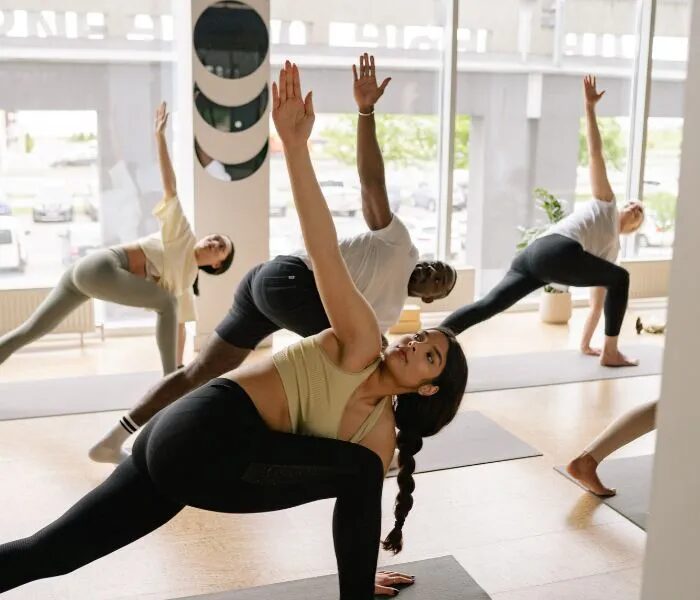
Yoga is one of those simple ways to slow down and reconnect with your body. You don’t need to be flexible or experienced; even a few gentle stretches can help release tension, improve focus, and leave you feeling calmer.

Starting a beginner class, such as our yoga for beginners, is a great way to learn the basics, get comfortable with the poses, and build a practice that suits your pace. It’s low-pressure, relaxing, and a screen-free way to take care of yourself, even if you only have just a few minutes each day.


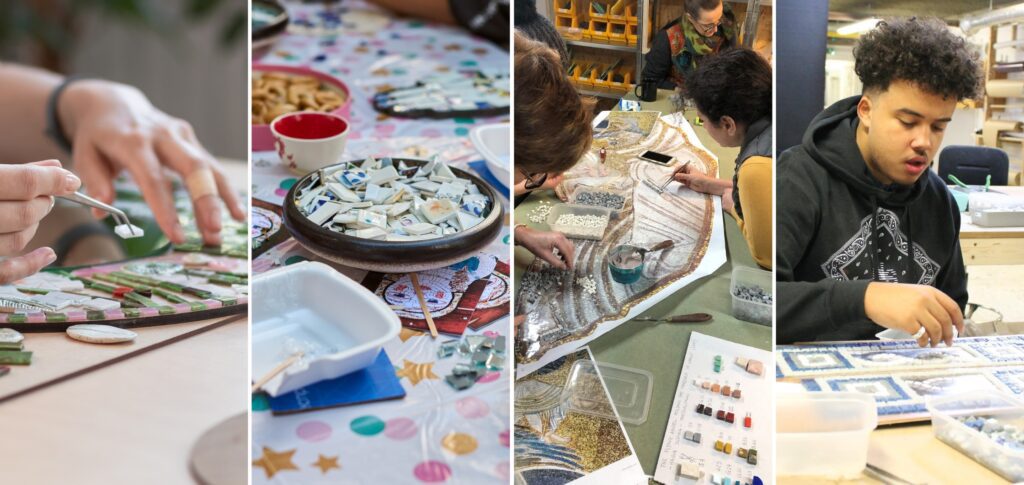
9. Try mosaic art 

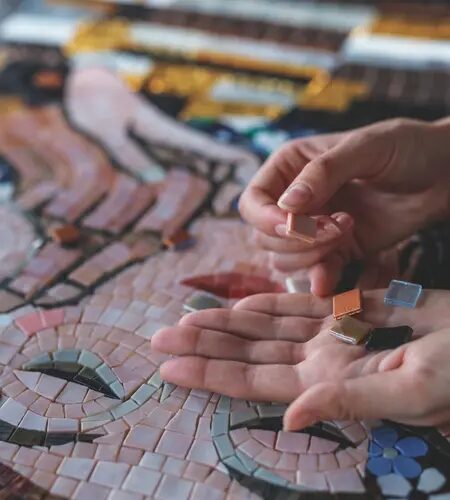
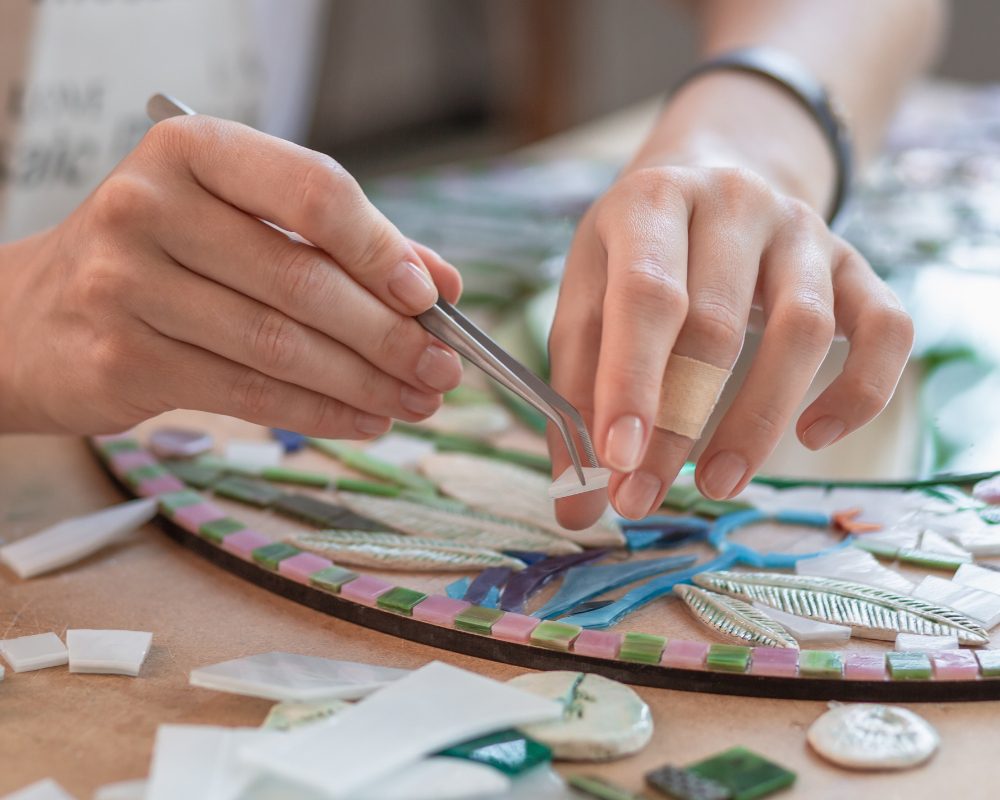
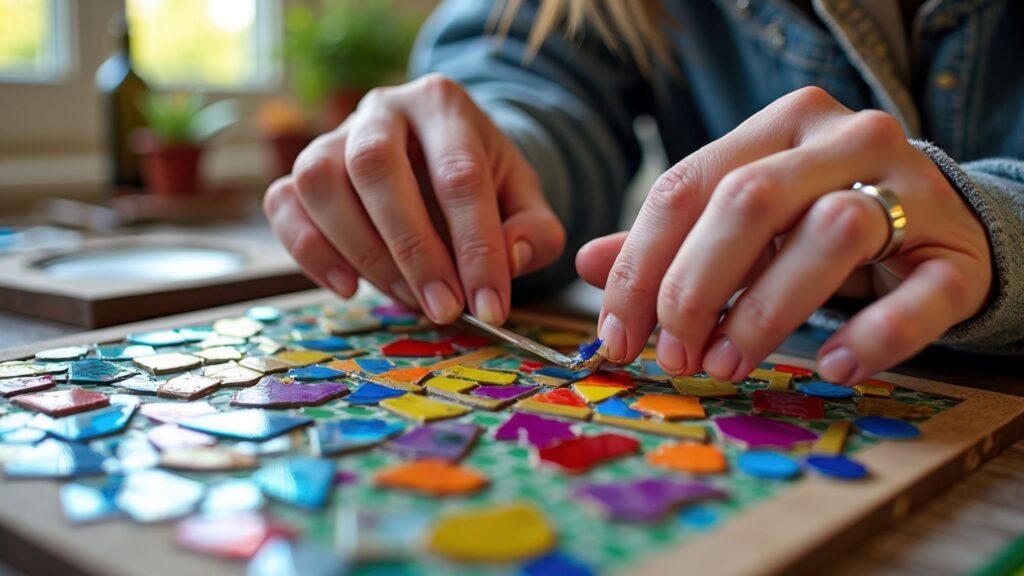
Mosaic art is a great screen-free alternative hobby that encourages patience, sparks creativity, and leaves you with something beautiful you’ve made yourself. Using small pieces of tile, glass, or stone, you gradually see a pattern come to life.

Explore our mosaic courses in association with the London School of Mosaic.

Mosaic art workshop

Spending less time on screens can be both refreshing and rewarding. Start small and focus on what genuinely sparks your interest; even a few minutes a day can boost your wellbeing and creativity.

If you’d like a little guidance or a supportive environment to learn in, beginner-friendly classes at WM College can help you get started. Joining a class is a simple way to practise new skills, build confidence, and connect with others who share your interests.

What Lunar New Year means for culture and community

London-Food-and-Drink-Photography-Chinatown-London-Chinese-New-Year-Nic-Crilly-Hargrave-312-copy.jpg

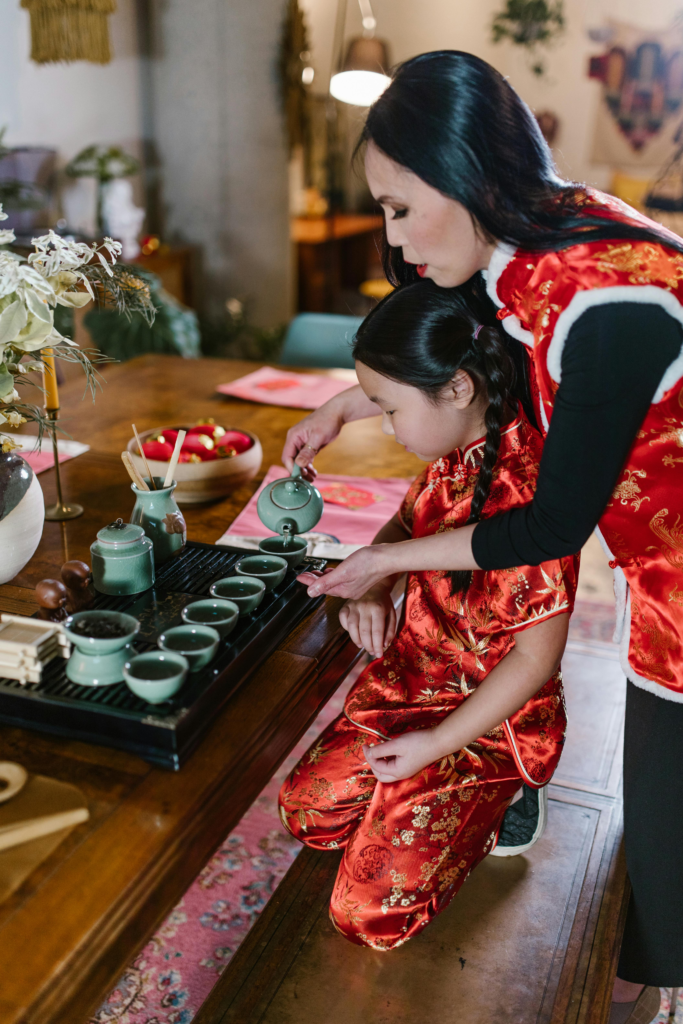
Lunar New Year in London is a moment when the city comes alive with community celebrations, from lion dances in Chinatown to small family gatherings across the capital. It’s a festival that brings together people from China, Vietnam, Korea, and Southeast Asia, sharing traditions, food, and stories of renewal. At WM College, we see it as an opportunity for learners to explore different cultures, experience inclusive traditions, and connect classroom learning with real-life experiences.

We’ve written this blog to help you learn more about Lunar New Year and how it’s celebrated.

What is the Lunar New Year?

Lunar New Year, often called Chinese New Year, is one of the most important festivals across East and Southeast Asia. It marks the beginning of the new year based on the lunar calendar, which follows the cycles of the moon, usually falling between late January and mid-February.

Common themes include honoring ancestors, spending time with family, welcoming good fortune, and participating in cultural rituals, traditional foods, and festive performances.

Who celebrates the Lunar New Year?

While many associate the Lunar New Year with Chinese traditions, it is also celebrated by Vietnamese (Tết), Korean (Seollal), Thai, Indonesian, and Malaysian communities. Each culture has its own unique rituals, foods, and performances, highlighting the festival’s rich diversity.

Although often called “Chinese New Year” in the West, the celebration extends far beyond China. Countries such as Vietnam, Korea, and Tibet observe the occasion in their own ways, combining shared themes of renewal and family reunion with distinct cultural customs.

For Vietnamese families celebrating Tết, the focus is on honouring ancestors, preparing symbolic foods, and welcoming the first visitor of the year, believed to bring good fortune. In Korea, Seollal centres on family gatherings, traditional dress, and rituals that pay respect to previous generations. Across Southeast Asia, community festivals, temple visits, and vibrant markets reflect how traditions evolve while preserving cultural identity.

Together, these diverse celebrations highlight how cultural festivals can strengthen community connections and encourage respect for different identities, values that lie at the heart of equity, diversity, and inclusion (EDI) at WM College.

Why is it the Year of the Horse?

The “Year of the Horse” comes from the Chinese zodiac, a 12-year cycle where each year is represented by an animal. The Horse symbolizes energy, independence, and adventure. People born in the Year of the Horse are thought to be hardworking, social, and lively.

The zodiac repeats every 12 years, so the Year of the Horse comes around once every 12 years.

What does it mean to communities?

At its core, Lunar New Year is about reunion and hope. It is traditionally a time for family gatherings, shared meals, and marking a fresh start for the year ahead. Read National Geographic’s overview of the global celebration.

Preparations often include cleaning homes to sweep away bad luck, decorating with red to symbolise prosperity, and exchanging gifts that express wishes for health and success. These rituals may differ across cultures, but the intention is universal: stepping into the new year with optimism.

For learners and communities in London, engaging with celebrations like the Lunar New Year offers more than a cultural experience; it broadens perspectives, challenges assumptions, and strengthens cross-cultural connections. Festivals like this remind us that diversity is not just something to acknowledge, but something to actively celebrate.


Things to do in London for Lunar New Year

The Chinese Lunar New Year festival in London is the largest celebration of its kind outside Asia, drawing hundreds of thousands of people to the West End every year. This year, the celebrations will take place from 21 – 22 February, centred on Chinatown and Trafalgar Square. 

1. Watch lion & dragon dances

The celebration includes a vibrant parade with colourful floats and what’s described as the largest gathering of Chinese lions and dragons in Europe. You’ll also find free stage performances in Trafalgar Square, with traditional dragon and lion dances, music, martial arts displays, and arts & crafts stalls. 

2. Taste festive foods

Chinatown hosts festive food and market stalls, while family-friendly entertainment is often set up around Leicester Square.

3. Join the parade

Route: Trafalgar Square → Charing Cross Road → Shaftesbury Avenue → Chinatown

The celebrations usually start near the east corner of Trafalgar Square and move up Charing Cross Road into Chinatown, though specific routes can vary year to year. 

lunar new year family festive image

Learn more about culture and diversity at WM College

Lunar New Year shows how culture, creativity, and community come together. At WM College, you can explore these themes through courses in Creative Arts like drawing, painting, and jewellery making, to Performing Arts and Creative Digital Media. There are plenty of opportunities to turn your curiosity about culture into a hands-on experience.

Protecting and investing in adult skills in London

This week, WM College joined over 20 adult education and skills providers from across London by signing a joint statement that followed the London Adult Skills Summit on 2 February 2026, hosted at WM College.

Adult education changes lives, but it needs stable, long-term support to thrive. Our joint statement summerises our agreed position and key asks for policymakers and others who can support our cause, for adult learning to be available to all who can benefit, with sustainable funding and clear accountability.

Click on the button below to read the full statement on the value of adult learning in London. You can also learn more about the London Adult Skills Summit further below.

Bringing together London leaders at the Adult Skills Summit

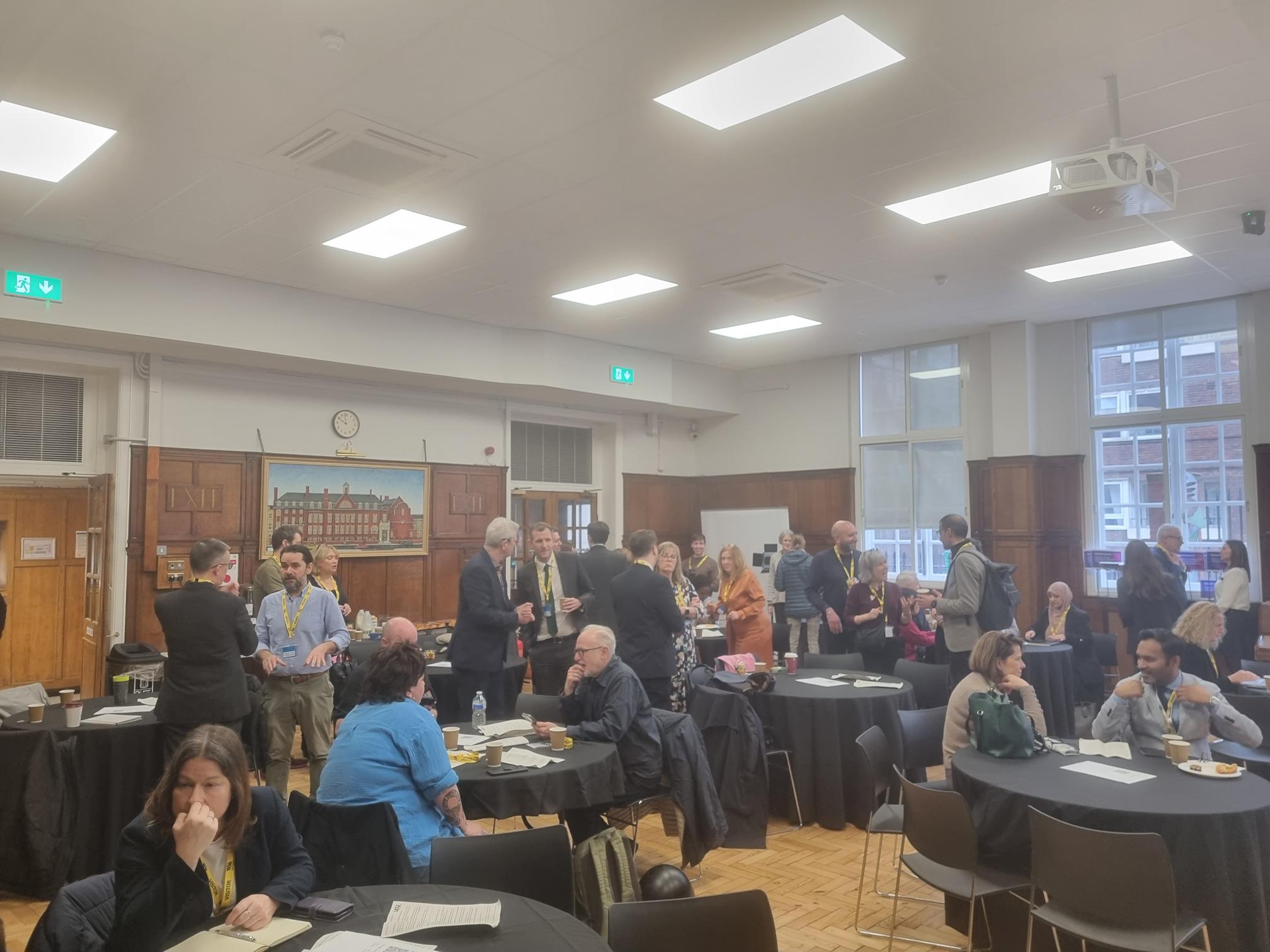
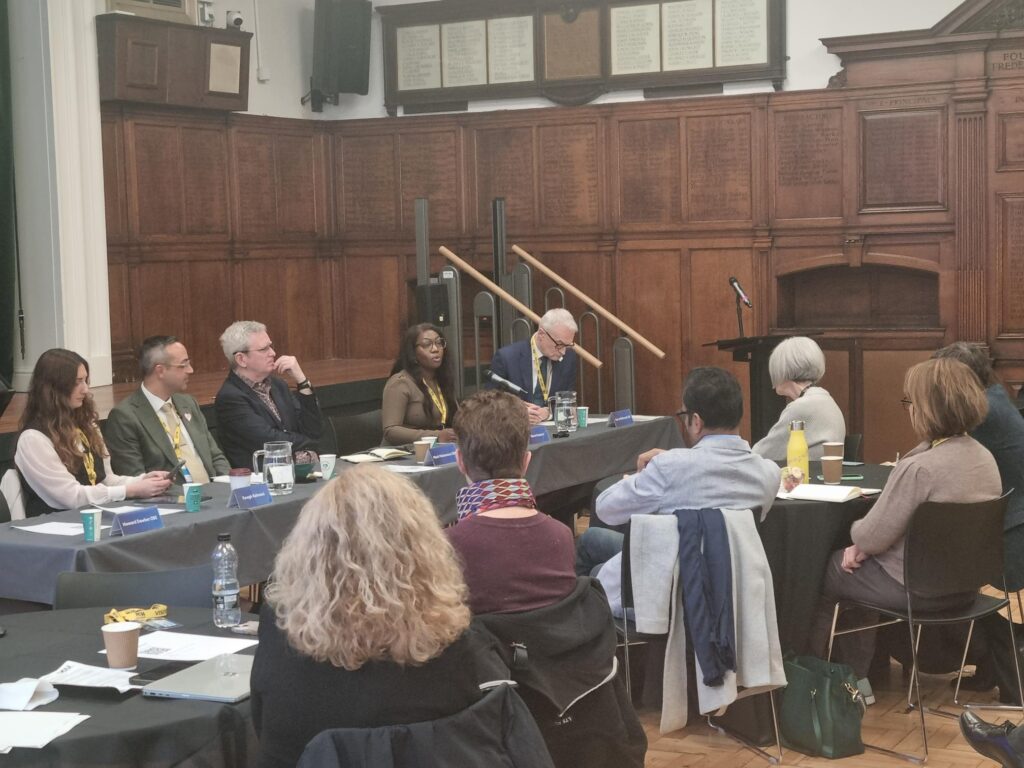
WM College was honoured to host the London Adult Skills Summit in partnership with New City College, bringing together colleges, sector leaders, policymakers, and stakeholders in our newly refurbished hall for a vital discussion about the future of adult education in London.

We were delighted to welcome Howard Dawber OBE, Deputy Mayor of London for Business and Growth, whose opening remarks underlined the Mayor’s ongoing commitment to skills, inclusion, and a future‑facing economy. Alongside Howard, Forogh Rahmani from Local London helped frame a powerful conversation about opportunity, community levelling‑up, and partnership working at both local and capital‑wide levels.

Chaired by Gerry McDonald CBE, the summit featured a panel including Jamie Stevenson, Principal of Lewisham College, and Mark Malcomson CBE, CEO of City Lit, together with employer representatives, UCU colleagues, and leaders from across the adult education industry. Their insights highlighted both the economic and social value of adult learning, as well as the pressing challenges created by static funding and rising delivery costs.

Across the day, one clear theme emerged: collaboration is critical. Delegates emphasised that the size and complexity of London’s labour market, combined with ongoing funding constraints, require stronger partnerships across colleges, local authorities, civic leaders, and employers. The summit’s discussions were less an endpoint and more the beginning of a shared journey to shape a more resilient and responsive adult skills system. One that better serves learners, employers, and the capital’s economy.

Adult learning supports opportunity and inclusion

Speakers highlighted how adult learning opens doors and brings people together – from boosting employability and lifelong learning to supporting wellbeing and stronger communities. Everyone agreed that current funding doesn’t fully reflect the value of adult education in London, and that working together is essential to secure the investment and policy support the sector needs.

With a strong representation from principals across the Association of Colleges and HOLEX, along with skills leads from London Councils, showing just how committed the sector is to championing adult learning and collaborating on solutions.

A huge thank you to everyone who joined us and contributed their energy and ideas to the discussion. We’re proud to have hosted this important event in our unique London building and are excited to continue working with partners across the sector to shape the future of adult skills in the city.

A learner’s plea for fair funding for adult education

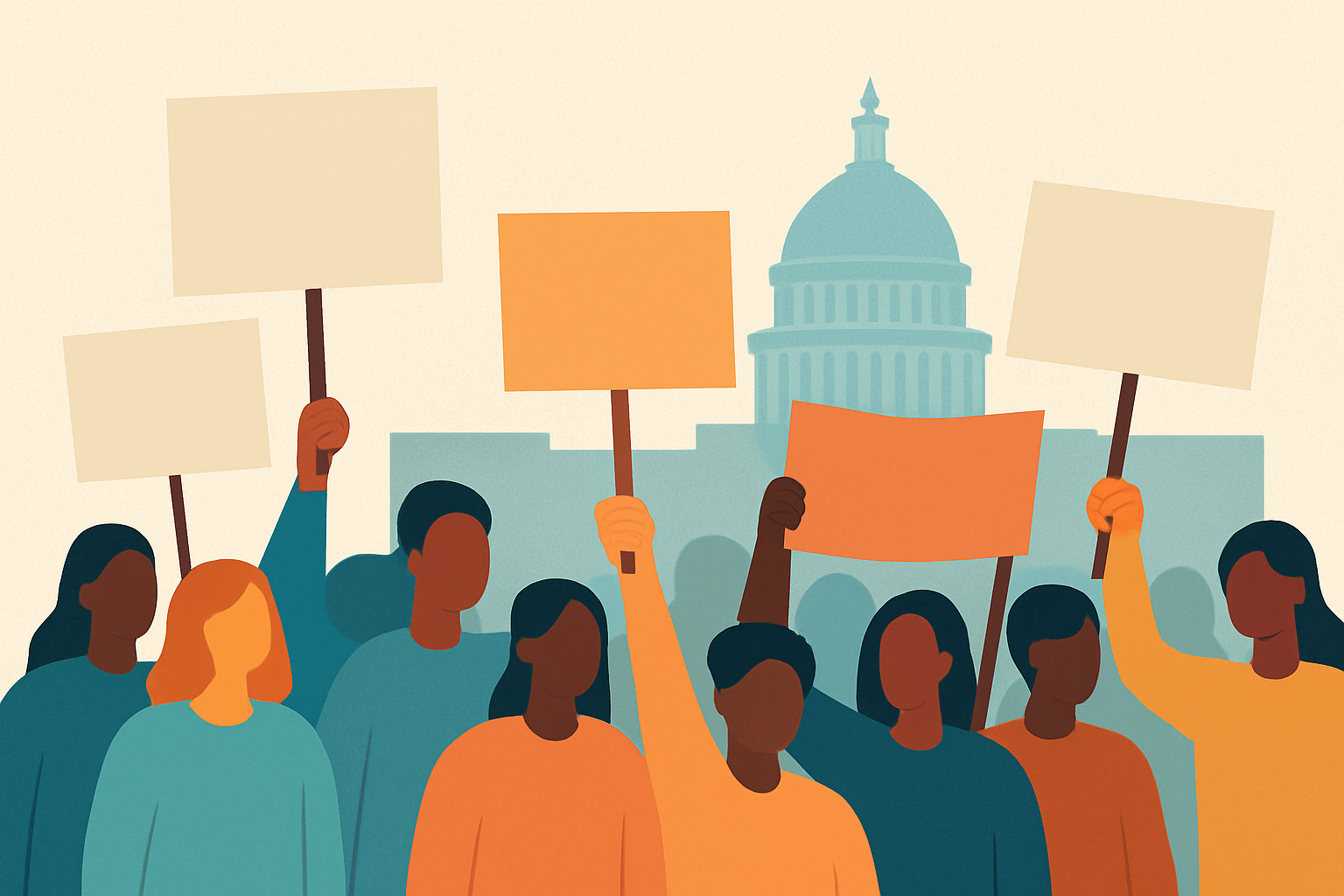
As part of their learning this term, our ESOL, English and maths learners have been exploring how to engage with local and national decision-makers. In the lead-up to this week’s lobby of Parliament, they have written to their MPs to share why adult education matters to them and to their communities. 

One of our ESOL learners, Maimuna, chose to write directly to the Prime Minister. Her letter captures the life-changing impact that adult education can have and why investment in it is so urgent.

“Dear Sir Keir Starmer

I am writing kindly to ask you to review the funding on adult education. Adults education is really important for individuals growth, economic opportunity, as well as for community and society.  
 
To get adult learning participation back to 2010 levels, we would need at least £5 billion in extra funding. This amount does not even cover the larger skills gap identified by Skills England. 

We urgently need to move money away from expensive, inflexible programmes and invest in approaches that actually work – ones that are local, inclusive, and help people get involved again, build confidence, and move into stable jobs. 
 
Adult education has shaped me in ways I will never forget. Without it, I honestly don’t know where I would be today.  
 
When I first came to this country, I didn’t know a single word of English. Every day felt like a struggle. I depended on translators for even the simplest things. When I was pregnant with my first baby, I had to ask someone to come with me to every appointment, or hope my GP could find a translator, just so I could understand what the midwife was saying. Even ordinary moments felt overwhelming. 
 
But everything began to change when I joined my local ESOL class a few months after arriving in the UK. Thanks to the funding for adult education, I was given a chance – a chance to learn the language, to find my confidence, and to build a new life.  
Step by step, I discovered my own voice. And because of that, I was able to raise my children with opportunities I never dreamed of. Today, they are studying to become doctor and engineer- something that fills me with pride every single day (contributing back to the UK economy and society). 
 
Adult education does more than teach skills. It transforms lives. It creates a culture of lifelong learning, where parents, families, and entire communities begin to value education. It sends out a ripple of hope that can touch generations. 
 
Every pound that goes into adult education returns to the country and society as multiplied through stronger families, confident parents, and children who dare to dream bigger and get  the country to move forward.  
 
I urge you to lobby for improved investment in adult education so that people in our community can access the opportunities they need. Thank you for your attention to this important matter. 
 
Yours sincerely  
MM ” 
 

Join us in championing adult education

Maimuna’s story is echoed by thousands of adults across the country who have rebuilt their confidence, skills, and futures through accessible, community-rooted learning. Their voices underline a simple truth: investing in adult education is investing in stronger families, thriving communities, and a more resilient economy. 

As we head to Parliament, we stand alongside our learners in calling for fair, sustainable funding that gives every adult the chance to learn, progress, and contribute. 

Join us in championing adult education – whether by writing to your MP, sharing your support on social media, or standing with us on the day. 
 

Inspired by this?  

Help our work by donating today 

Or help by booking onto our full cost art courses and say yes to gift aid. (enjoy learning and give the gift of learning to others) 

Further reading: Why Victorian lessons matter for FE Policy   

Why Victorian lessons matter for FE Policy

Looking back can sharpen how we move forward. In a recent FE Week article Tom Schuller – a former Chair of WM College and long-time Fellow and supporter – argues that lessons from 19th-century adult education remain relevant now. 

Early supporters of adult education created places where craft, languages, debate and the arts sat alongside practical teaching. Their aim was wider than immediate employment: they sought to foster civic participation, curiosity and confidence. These outcomes are harder to measure than a qualification or a job, but they are essential to individual wellbeing and community resilience. 
Today’s policy debates tend to prioritise productivity and short-term metrics. That focus risks sidelining the broader purposes of adult education.
We’ve seen the impact of thinking more broadly. ESOL classes help newcomers build language skills and a sense of belonging.
Across the arts and humanities, learners gain creative expression that supports wellbeing and strengthens civic voice.
Meanwhile, vocational programmes open routes into work while also developing confidence and self-belief.

Tom Schuller’s reflections invite educators, funders and decision-makers to value education’s social and human returns alongside economic ones. Long-term commitment matters too: institutions are built over decades, not in single funding cycles. Sustained investment in people and places creates learning spaces that change lives. 

As our College Principal and CEO, Dipa Ganguli, states: “At WM College, the past isn’t something we look back on with nostalgia – it’s a practical guide for how we serve our communities today. When adult education balances skills, creativity and a sense of belonging, it strengthens individuals and the places they live. Protecting that balance is essential if adult learning is to remain relevant, humane and resilient in the years ahead.” 

 

This Wednesday – Championing Adult Education in Parliament 

The values the College was founded continue to guide us today. This Wednesday (11 am–2 pm), WM College learners and staff will join a lobby of Parliament in Parliament Square organised by the London Region UCU, supported by principals and CEOs from adult education colleges across the capital. 

Held just ahead of Budget Day, the lobby calls for renewed investment in adult learning –  funding that recognises its social, economic, and community value. 

“Investing in adult education isn’t just about courses – it’s an investment in our economy and society,” says Dipa Ganguli, WM College Principal and CEO. “When learners gain skills, confidence, and a sense of belonging, they contribute to stronger communities, improved wellbeing, and reduced pressures on public services like the NHS. High-quality adult learning also supports the skills our economy needs to grow and compete globally. That’s why we are taking our message to Parliament: society and the economy both benefit when adult education is properly funded.” 

Learners from our ESOL, English and maths programmes will be taking part as an active element of their studies. In recent weeks, these groups have written to their MPs, shared their experiences of adult learning, and prepared to report back on the day when they return to college.

Their energy and commitment embody the very values Tom Schuller highlights in his article: confidence, citizenship, and the belief that adult learners deserve a voice in shaping national priorities. 
 
We hope you’ll join us and show your support, from letters to social media.  

Explore new opportunities at WM College 

If Tom’s reflections inspire you to take your own next step in learning, now is the perfect time. Our Christmas short courses and New Year programmes for 2026 are now open for enrolment. Whether you want to develop a skill, try something creative, build confidence, or plan for a new career direction, WM College offers a welcoming space to begin. 

WM College welcomes London School of Mosaic courses

WM College, one of London’s most historic centres for adult learning, based in the heart of Camden, is delighted to announce that it will become the new home for the London School of Mosaics’ popular short courses. 

From February 2026, learners can join a full programme of mosaic courses in London, welcoming both continuing and new students. Courses will be taught by the talented tutors Paula Ligo, Catherine Parkinson, Rada Stilianova, and Debra Collis, ensuring the same high standards and familiar teaching styles that learners have enjoyed at the London School of Mosaic. 

 A perfect partnership for creativity and community 

This collaboration is a natural fit for WM College, whose 170-year history celebrates creativity, craftsmanship, and lifelong learning. 

Earlier this year, the College worked with artist Tessa Hunkin and the Hackney Mosaic Project to create a stunning mosaic artwork marking our anniversary. A symbol of our ongoing commitment to the arts, community, and collaboration. Read more.

“Mosaic is an art form that perfectly captures what WM College stands for – creativity, patience, and community,” said CEO and Principal Dipa Ganguli. “We’re thrilled to welcome the London School of Mosaics’ courses and tutors into the WM College family.” 

Continuing the London School of Mosaic legacy 

Learners who previously studied at the London School of Mosaic will find much that feels familiar. From the tools and materials to the tutors and teaching approach. 

WM College has adopted much of the School’s stock and is proud to continue its commitment to high-quality, inclusive adult education. 

Learners will also join a thriving Creative Arts Department, home to classes in glass, woodwork, ceramics, jewellery, printmaking, fashion, and more, offering countless opportunities to explore new skills and techniques.

Join the next chapter 

Courses begin in February 2026, and early registration is encouraged, as places are limited due to the size of our intimate studios. 
Be the first to hear when course listings go live and enrolment opens. Sign up for updates via our newsletter here.

Frequently Asked Questions 

When will the London School of Mosaic courses start at WM College?

Mosaic short courses will begin at WM College from February 2026. Learners can sign up now to receive updates and be notified as soon as enrolment opens.

Where will the new mosaic courses take place?

All courses will be held at WM College, Camden, London NW1 1TR — a historic adult learning centre with a vibrant Creative Arts Department. 

Who will be teaching the mosaic courses? 

Courses will be led by the experienced tutors Paula Ligo, Catherine Parkinson, Rada Stilianova, and Debra Collis, who previously taught at the London School of Mosaic. 

What level of mosaic classes are available? 

We offer beginner, intermediate, and advanced mosaic courses, including evening, weekend, and intensive project options — perfect for anyone looking to learn or develop their mosaic skills.

Can I continue a mosaic project I started at the London School of Mosaic?

Yes. Where possible, tutors will help learners complete unfinished mosaic projects and continue developing their techniques using familiar tools and materials. 

How do I register for a mosaic course at WM College?

You can register your place by visiting: https://wmc.thedigitaldepot.co.uk/courses/mosaic/8769

Adult learning deserves better: The Post-16 white paper misses the mark 

The Government’s new Post-16 Education and Skills White Paper could have been a defining moment for lifelong learning – but instead, it risks sidelining millions of adults who want and deserve access to education. 

In a 38,000-word document, adults barely get a mention. While the Government says it wants to “level up” skills and “leave no one behind,” community learning, which supports confidence, wellbeing and progression for thousands every year, is barely visible. 

WM College Principal and CEO Dipa Ganguli OBE, who also serves as Chair of HOLEX, has co-authored a new FE Week article with Caroline McDonald, CEO of HOLEX, calling for urgent recognition of the vital role adult learning plays in achieving the nation’s skills ambitions. 

Together they argue that adult and community education providers, including WM College, are key to tackling skills shortages, supporting employability, and helping people rebuild confidence and wellbeing. But funding cuts and a lack of a clear strategy risk leaving adult learners further behind. 

Two key opportunities: Essential Skills Review and Skills Passport 

The article welcomes the Government’s proposed Essential Skills Review but warns it must go beyond English and maths. To truly build a skilled nation, it needs to include language, literacy, digital and numeracy learning at every level – and crucially, give community providers a voice in delivery. 

The White Paper also introduces a Skills Passport as part of the UK’s “Plan for Change.” This could help learners track their achievements – but as it stands, it’s limited to the energy sector. Dipa and Caroline argue that it must become genuinely lifelong and record all learning, not just accredited or employment-linked qualifications. 

“For thousands of adults returning to study after years away, the first step is a short course that rebuilds confidence or language skills,” Dipa explains. “Those experiences must count. A Skills Passport that values every stage of learning would be a real step towards inclusion.” 

Investing in people, not just systems 

HOLEX is calling for an increase of £5 billion in the adult skills budget this Parliament and for funding to be distributed locally, through authorities that understand community and employer needs. 

As Dipa and Caroline write, “If ministers truly want a skills revolution, they must recognise that people – not just institutions – are its driving force. Adult learning isn’t an optional extra – it’s the backbone of an inclusive, productive and healthy society.” 

WM COLLEGE
44 Crowndale Road
NW1 1TR
Tel: 020 7255 4700
Email: learnerservices@wmcollege.ac.uk