Open Web SearchOpen Mobile SearchOpen Mobile Menu

What Lunar New Year means for culture and community

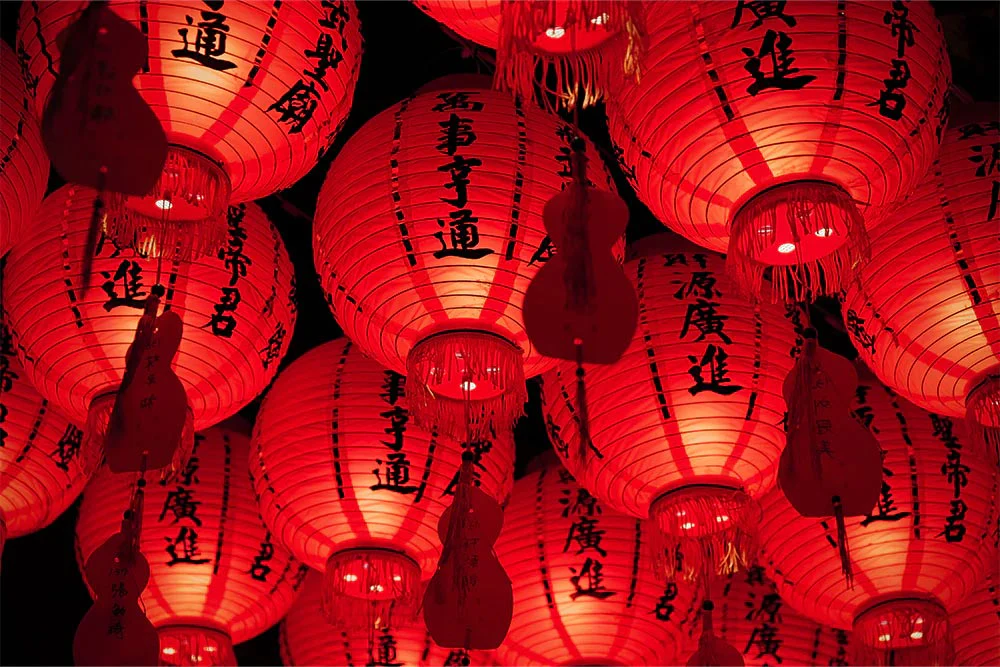
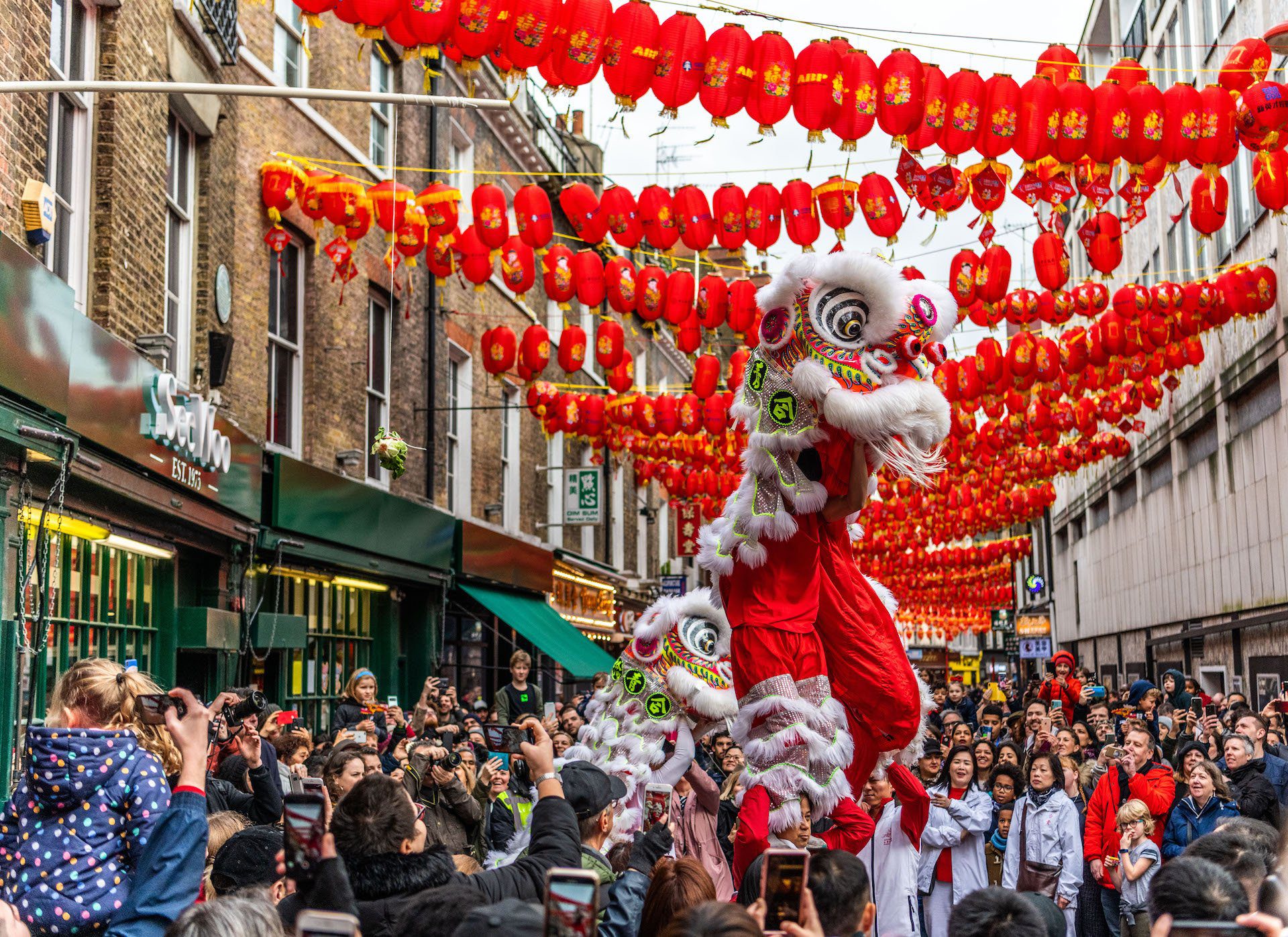
London-Food-and-Drink-Photography-Chinatown-London-Chinese-New-Year-Nic-Crilly-Hargrave-312-copy.jpg

Lunar New Year in London is a moment when the city comes alive with community celebrations, from lion dances in Chinatown to small family gatherings across the capital. It’s a festival that brings together people from China, Vietnam, Korea, and Southeast Asia, sharing traditions, food, and stories of renewal. At WM College, we see it as an opportunity for learners to explore different cultures, experience inclusive traditions, and connect classroom learning with real-life experiences.

We’ve written this blog to help you learn more about Lunar New Year and how it’s celebrated.

What is the Lunar New Year?

Lunar New Year, often called Chinese New Year, is one of the most important festivals across East and Southeast Asia. It marks the beginning of the new year based on the lunar calendar, which follows the cycles of the moon, usually falling between late January and mid-February.

Common themes include honoring ancestors, spending time with family, welcoming good fortune, and participating in cultural rituals, traditional foods, and festive performances.

Who celebrates the Lunar New Year?

While many associate the Lunar New Year with Chinese traditions, it is also celebrated by Vietnamese (Tết), Korean (Seollal), Thai, Indonesian, and Malaysian communities. Each culture has its own unique rituals, foods, and performances, highlighting the festival’s rich diversity.

Although often called “Chinese New Year” in the West, the celebration extends far beyond China. Countries such as Vietnam, Korea, and Tibet observe the occasion in their own ways, combining shared themes of renewal and family reunion with distinct cultural customs.

For Vietnamese families celebrating Tết, the focus is on honouring ancestors, preparing symbolic foods, and welcoming the first visitor of the year, believed to bring good fortune. In Korea, Seollal centres on family gatherings, traditional dress, and rituals that pay respect to previous generations. Across Southeast Asia, community festivals, temple visits, and vibrant markets reflect how traditions evolve while preserving cultural identity.

Together, these diverse celebrations highlight how cultural festivals can strengthen community connections and encourage respect for different identities, values that lie at the heart of equity, diversity, and inclusion (EDI) at WM College.

Why is it the Year of the Horse?

The “Year of the Horse” comes from the Chinese zodiac, a 12-year cycle where each year is represented by an animal. The Horse symbolizes energy, independence, and adventure. People born in the Year of the Horse are thought to be hardworking, social, and lively.

The zodiac repeats every 12 years, so the Year of the Horse comes around once every 12 years.

What does it mean to communities?

At its core, Lunar New Year is about reunion and hope. It is traditionally a time for family gatherings, shared meals, and marking a fresh start for the year ahead. Read National Geographic’s overview of the global celebration.

Preparations often include cleaning homes to sweep away bad luck, decorating with red to symbolise prosperity, and exchanging gifts that express wishes for health and success. These rituals may differ across cultures, but the intention is universal: stepping into the new year with optimism.

For learners and communities in London, engaging with celebrations like the Lunar New Year offers more than a cultural experience; it broadens perspectives, challenges assumptions, and strengthens cross-cultural connections. Festivals like this remind us that diversity is not just something to acknowledge, but something to actively celebrate.


Things to do in London for Lunar New Year

The Chinese Lunar New Year festival in London is the largest celebration of its kind outside Asia, drawing hundreds of thousands of people to the West End every year. This year, the celebrations will take place from 21 – 22 February, centred on Chinatown and Trafalgar Square. 

1. Watch lion & dragon dances

The celebration includes a vibrant parade with colourful floats and what’s described as the largest gathering of Chinese lions and dragons in Europe. You’ll also find free stage performances in Trafalgar Square, with traditional dragon and lion dances, music, martial arts displays, and arts & crafts stalls. 

2. Taste festive foods

Chinatown hosts festive food and market stalls, while family-friendly entertainment is often set up around Leicester Square.

3. Join the parade

Route: Trafalgar Square → Charing Cross Road → Shaftesbury Avenue → Chinatown

The celebrations usually start near the east corner of Trafalgar Square and move up Charing Cross Road into Chinatown, though specific routes can vary year to year. 
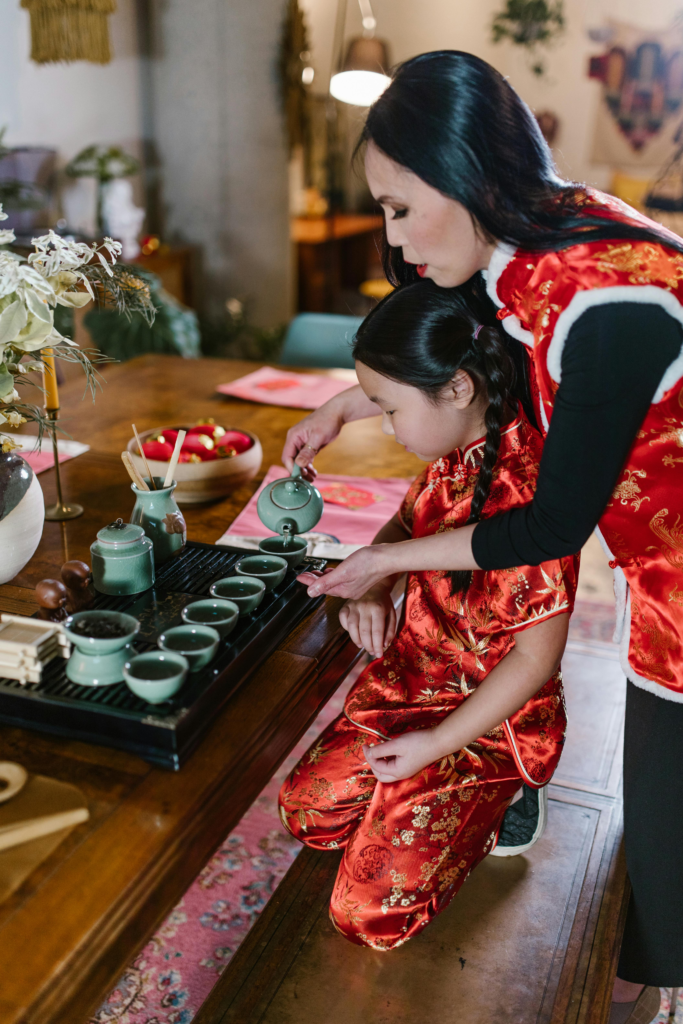
lunar new year family festive image

Learn more about culture and diversity at WM College

Lunar New Year shows how culture, creativity, and community come together. At WM College, you can explore these themes through courses in Creative Arts like drawing, painting, and jewellery making, to Performing Arts and Creative Digital Media. There are plenty of opportunities to turn your curiosity about culture into a hands-on experience.
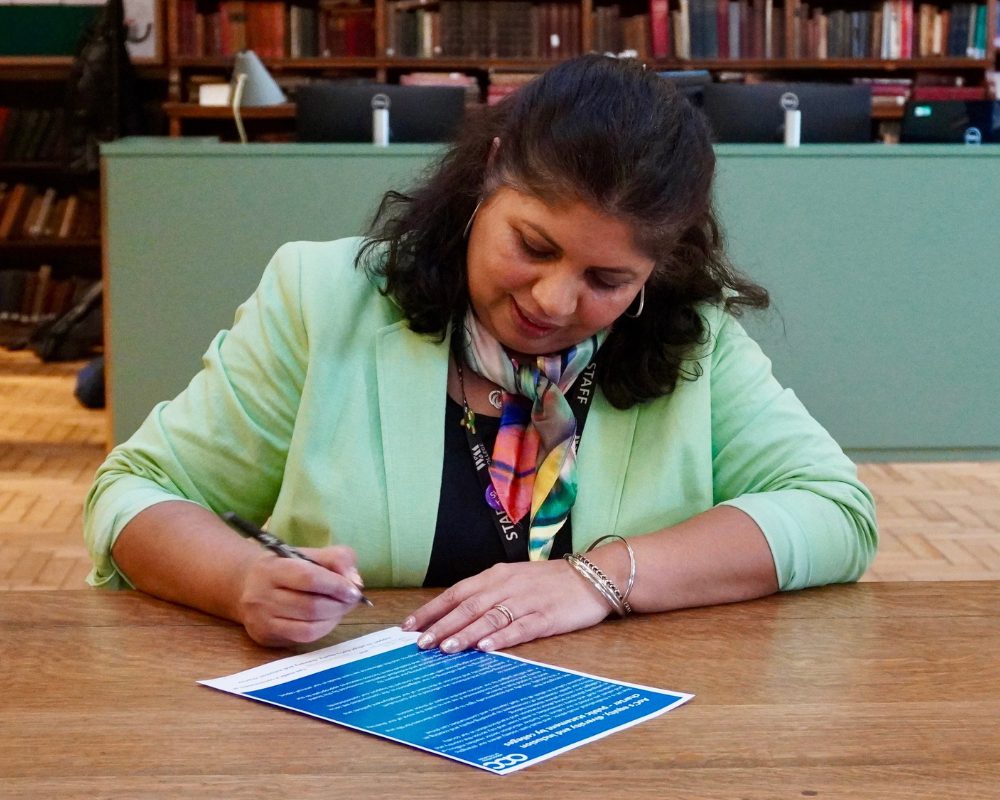
WM College Commits to Anti-Racism and Inclusive Education on International Diversity Day

This International Diversity Day, WM College proudly signs the AoC EDI Charter, launches a new EDI Pledge, and formally commits to becoming a proactive anti-racist organisation. 

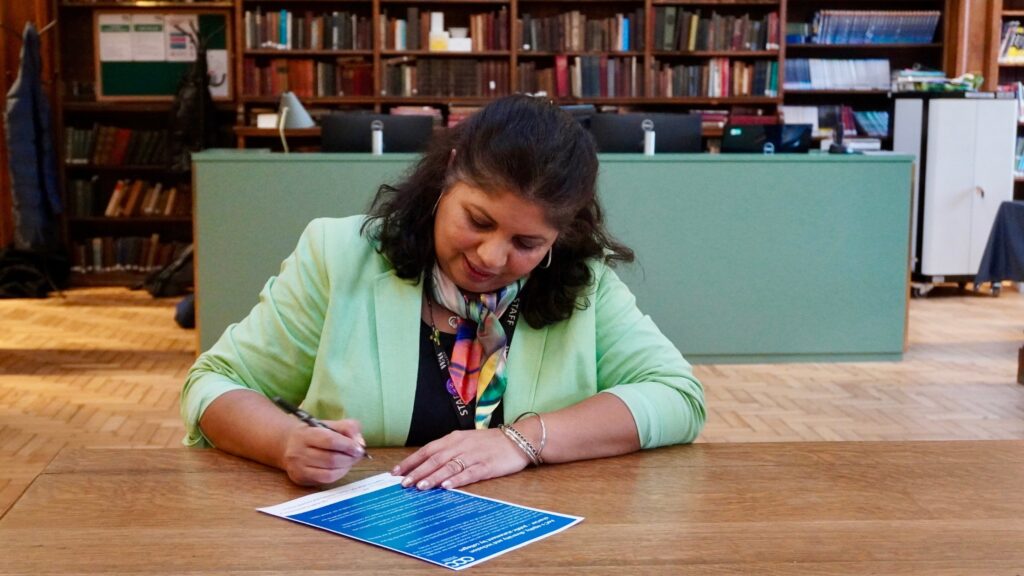
This week marks a significant milestone in WM College’s ongoing journey to champion equity and inclusion in adult education. In a powerful demonstration of that commitment, Principal Dipa Ganguli OBE, with the full backing of the Board, has signed the Association of Colleges (AoC) Equity, Diversity and Inclusion (EDI) Charter, updated the College’s EDI policy, and launched a new internal EDI Pledge. 

These actions reaffirm our commitment to fostering an inclusive, anti-racist, and accessible learning environment for all — and respond directly to the evolving needs of our learners, staff and wider community.

Why signing the AoC EDI Charter matters

The AoC EDI Charter is a sector-wide statement of intent, guiding colleges to embed diversity and equity into every aspect of their work. By signing the charter, WM College pledges to: 

  • Create a safe, respectful, and supportive culture.
  • Champion inclusive teaching and learning. 
  • Promote fair access for all, regardless of background. 
  • Tackle inequalities and challenge systemic barriers. 

Dipa Ganguli, Principal and CEO, commented: 

“The AoC EDI Charter is a crucial step for WM College in reinforcing our values of inclusion and diversity. By committing to this charter, we are making it clear that everyone, regardless of their background, deserves an equal opportunity to succeed. It’s not just a statement; it’s a promise to act.” 

Becoming a proactive anti-racist organisation

The AoC EDI Charter is a sector-wide statement of intent, guiding colleges to embed diversity and equity into every aspect of their work. By signing the charter, WM College pledges to: 

Our decision to become a truly anti-racist organisation means going beyond good intentions. It involves: 

  • Actively identifying and addressing racism in systems and structures. 
  • Listening to marginalised voices. 
  • Delivering sustained change through leadership, policy, and culture.

Caroline Poole, Director of Learner Experience, added:

“As educators, it’s our responsibility to foster an environment where every learner feels empowered and valued. This commitment ensures that all learners, regardless of their personal circumstances, can thrive in a diverse and inclusive community.” 

Our EDI Pledge – creating a culture of belonging 

This week marks a significant milestone in WM College’s ongoing journey to champion equity and inclusion in adult education. In a powerful demonstration of that commitment, Principal Dipa Ganguli OBE, with the full backing of the Board, has signed the Association of Colleges (AoC) Equity, Diversity and Inclusion (EDI) Charter, updated the College’s EDI policy, and launched a new internal EDI Pledge. 

Launched ahead of the 2025/26 academic year, our new Equity, Diversity, and Inclusion (EDI) Pledge outlines how WM College will implement the AoC Charter in practical and transparent ways. 

Summary of the EDI Pledge:

  • Commitment to Equity: We will champion equality, challenge discrimination, and support everyone in reaching their full potential. 
  • Clear goals: Our EDI action plan will include short- and medium-term priorities, reviewed regularly by leadership and governors. 
  • Accountability and voice: We will publish annual reports, provide regular training, and amplify the voices of underrepresented individuals in decision-making. 
  • Celebrating diversity: From cultural awareness to personalised support, we’re committed to making our spaces inclusive and accessible. 
  • Curriculum and community impact: We’ll work to decolonise the curriculum, reduce barriers, and celebrate diversity through events and outreach. 

Our pledge is now displayed across the college and published alongside our updated EDI policy. Learn more about WM College’s inclusive values on our About Us page.

View our EDI policies here 

Get involved

Staff and learners interested in shaping this work can join our EDI Forum, which meets once per term to: 

  • Monitor progress against our action plan. 
  • Promote cultural awareness and inclusivity. 
  • Champion our journey toward becoming an anti-racist college. 

To get involved, speak to your tutor, line manager, or email the EDI team directly. Not yet a learner? Join us today.

A continued commitment

At WM College, we believe that diversity and inclusion strengthen education. We’re grateful to our staff, learners, governors, and partners for supporting our commitment. We will continue to challenge ourselves, learn from one another, and push for meaningful, lasting progress.

* Please note that whilst we may reference websites and others as useful resources, WM College does not own, manage, or take responsibility for the content, accuracy, or policies of external sites. Please use these recommended websites at your discretion. 

Race Equality Week 2025: What is it and why it matters   

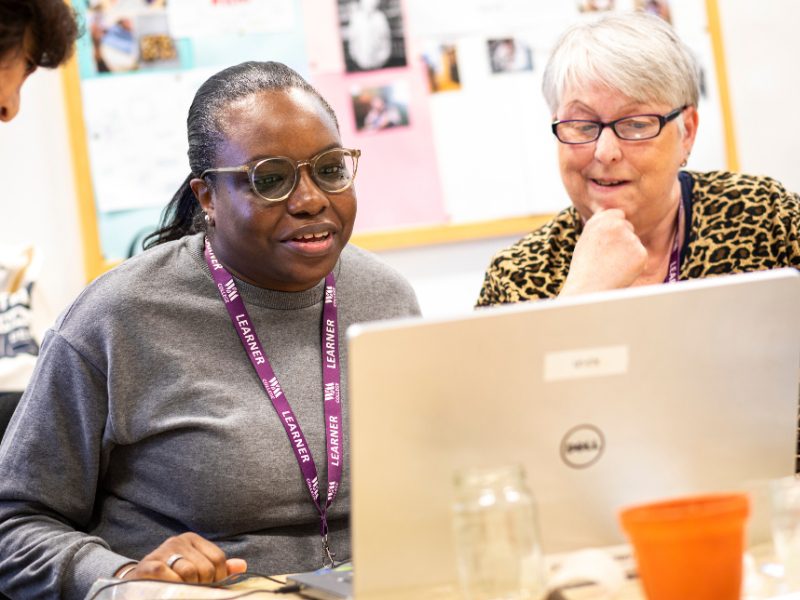
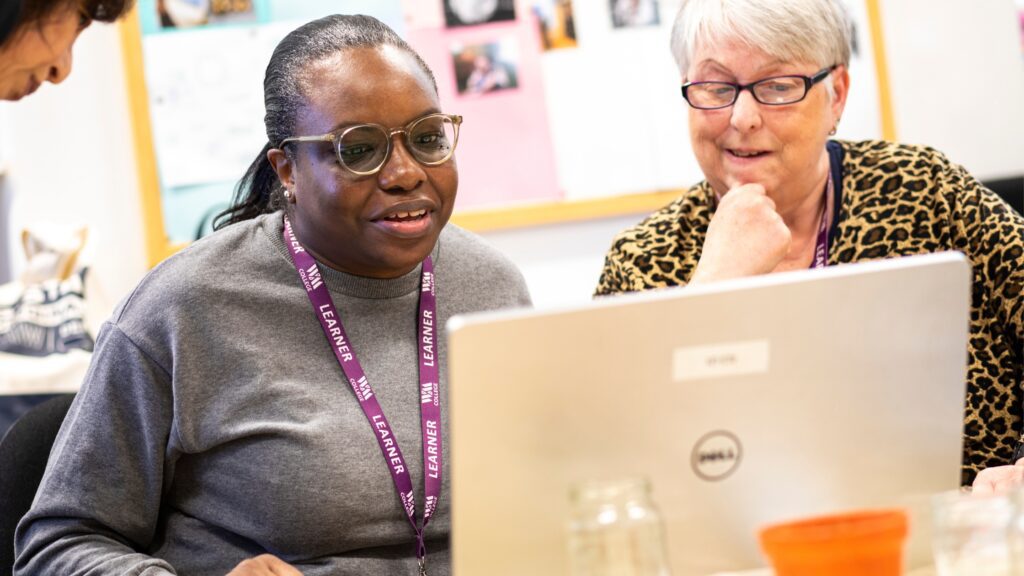
Two adult learners working together on a laptop in a classroom setting. One is wearing glasses and a grey jumper with a 'LEARNER' lanyard, while the other, an older woman, looks engaged and interested. The background features a bulletin board with pinned items

Race Equality Week runs from February 3rd to 9th, 2025, and is all about tackling racial inequality in the UK. Launched in 2021 by Race Equality Matters*, this week brings people, communities, and organisations together to take action for a fairer society.

At WM College, we’re proud of our diverse and inclusive community. Race Equality Week is a great opportunity for us to reflect on how we can continue improving and ensure that everyone is treated fairly. In this blog, we’ll explore why this week matters to us and share more about how we’re celebrating it.

Why is Race Equality Week important? 

Despite progress in tackling racism, systemic inequalities persist across many sectors in the UK. Race Equality Week aims to address these issues by encouraging action to improve racial diversity, inclusivity, and representation. The week focuses on creating open discussions, implementing meaningful change, and holding organisations accountable for creating fair and equitable environments. 

WM College values diversity among its adult learners and staff. This week is a chance to reflect on and boost the college’s commitment to inclusivity. Race Equality Week is a chance to discuss diversity. It aims to promote policies that ensure fair treatment for all, regardless of race. 

What happens during Race Equality Week?

During the week, organisations across the UK hosts events, workshops, and talks focusing on fighting race inequality. This includes revising steps such as recruitment processes, addressing pay gaps, and creating more diverse leadership teams. It’s a chance for individuals to learn about racial inequality and reflect on how to build a more inclusive society. 

As a College, we are committed to ensuring equality and inclusion for all our learners and staff. Race Equality Week reminded us to reinforce our values of diversity and social responsibility. By joining this movement, we affirm our commitment to social progress and inclusivity for all. 

WM College’s EDI Forum.

You may already know we have an EDI (Equality, Diversity, and Inclusion) forum here at WM College, open to both staff and learners. The forum meets once a term and discussions are based around how we can build an inclusive environment that promotes cultural awareness and respect, become an anti-racist organisation, monitor our EDI action plan, set goals to reduce barriers and encourage diversity of thought and action.

Speak to your tutor or manager today about how to get involved. 

Learn more…

To learn more about Race Equality Week or events happening in the UK, visit Race Equality Matters* for further resources, news, and ways you can get involved in 2025. 

If you want to know more about WM College and our diversity and inclusivity statements and values, head on over to our About Us page. 

* Please note, that we have referenced this website and others as useful resources. However, WM College does not own, manage, or take responsibility for the content, accuracy, or policies of external sites. Use these recommended websites at your discretion. 

WM COLLEGE
44 Crowndale Road
NW1 1TR
Tel: 020 7255 4700
Email: learnerservices@wmcollege.ac.uk