

Deprecated: mp_timetable\plugin_core\classes\Core::current_screen(): Implicitly marking parameter $current_screen as nullable is deprecated, the explicit nullable type must be used instead in /home/digitaldepotco/wmc/wp-content/plugins/mp-timetable/classes/class-core.php on line 559

Deprecated: mp_timetable\classes\models\Export::mptt_authors_list(): Implicitly marking parameter $post_ids as nullable is deprecated, the explicit nullable type must be used instead in /home/digitaldepotco/wmc/wp-content/plugins/mp-timetable/classes/models/class-export.php on line 368

Deprecated: IBCustomizer::_register_sections(): Optional parameter $panel_key declared before required parameter $customizer is implicitly treated as a required parameter in /home/digitaldepotco/wmc/wp-content/plugins/styler-for-gravity-forms/includes/class-ib-customizer.php on line 471
Blog Archives - Page 4 of 4 - WM College
Open Web SearchOpen Mobile SearchOpen Mobile Menu

The sweet origins of valentines, beyond the romance.

Man holding flower behind his back in front of a women

Valentine’s Day is often seen as a celebration of romantic love, with chocolates, flowers, and cards exchanged between couples. But did you know that the origins of Valentine’s Day go beyond romance? And that love can be celebrated in many forms—not just between couples, but among friends, family, and even our beloved pets? Let’s explore the history of Valentine’s Day, how we can celebrate all kinds of love, and have some fun with a chocolate quiz to top it off!

The origins

Valentine’s Day traces its origins back to ancient Roman times. The festival of Lupercalia, celebrated in mid-February, was an early influence. It was a fertility festival dedicated to Faunus, the Roman god of agriculture. However, it wasn’t until the 5th century, when Pope Gelasius declared February 14 as St. Valentine’s Day, that it became associated with romantic love.

Saint Valentine himself is a somewhat mysterious figure, with several legends surrounding him. One of the most popular stories is that he was a priest who secretly married young couples when Emperor Claudius II had banned marriage, believing single men made better soldiers. Eventually, Valentine’s Day became a day to express love through letters, and in the 18th century, exchanging cards and flowers became a tradition.

Celebrating all kinds of love

Love isn’t limited to romantic partners. It’s present in the care and loyalty we share with our support animals, the laughter and memories we create with our friends, and the support we provide our families. Whether you’re spending the day with a loved one or with close friends, Valentine’s Day can be a celebration of all the meaningful relationships in your life.

So, as we celebrate this year, let’s expand our understanding of love. It’s a time to appreciate those who lift us, whether they’re friends, family, pets, or colleagues. Spread a little extra kindness today—love, in all its forms, makes the world a better place.

How sweet is your knowledge?

Now, no Valentine’s Day celebration is complete without chocolate! From creamy milk chocolate to indulgent dark varieties, this sweet treat is synonymous with the holiday.

What country is credited with the discovery of chocolate?

a) Switzerland

b) Mexico

c) Belgium

d) Italy

2. Which ancient civilization first used cacao beans to make chocolate drinks?

a) The Aztecs

b) The Egyptians

c) The Greeks

d) The Romans

3. What percentage of the world’s cacao comes from West Africa?

a) 10%

b) 30%

c) 50%

d) 70%

4. Which famous chocolate brand was established in 1824 and is known for its signature purple packaging?

a) Lindt

b) Cadbury

c) Nestlé

d) Toblerone

5. What is white chocolate made from?

a) Cocoa beans

b) Cocoa powder

c) Cocoa butter

d) Milk solids

6. What was the first mass-produced, boxed chocolate for Valentine’s Day called?

a) Love Bites

b) Sweethearts

c) Valentine’s Collection

d) Fancy Boxes

Answer Key:

  1. b) Mexico
  2. a) The Aztecs
  3. d) 70%
  4. b) Cadbury
  5. c) Cocoa butter
  6. d) Fancy Boxes

Happy Valentine’s Day!
Race Equality Week 2025: What is it and why it matters   

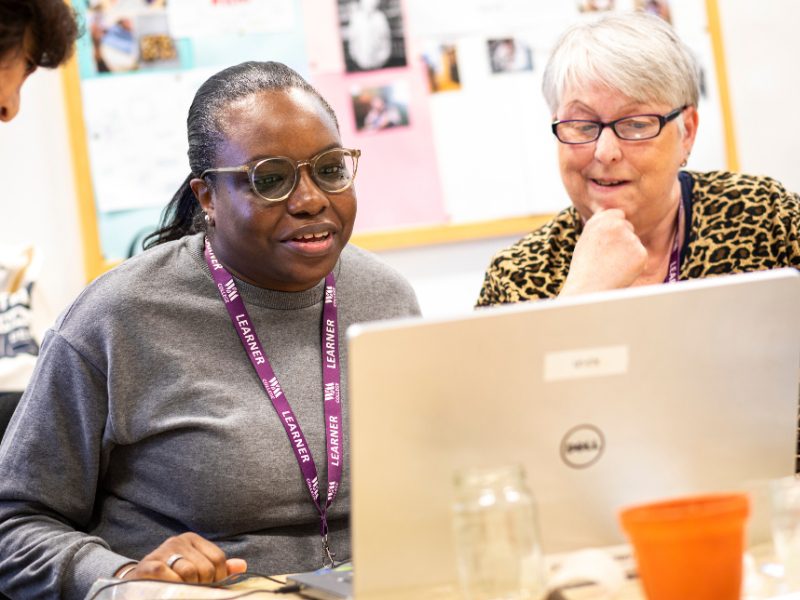
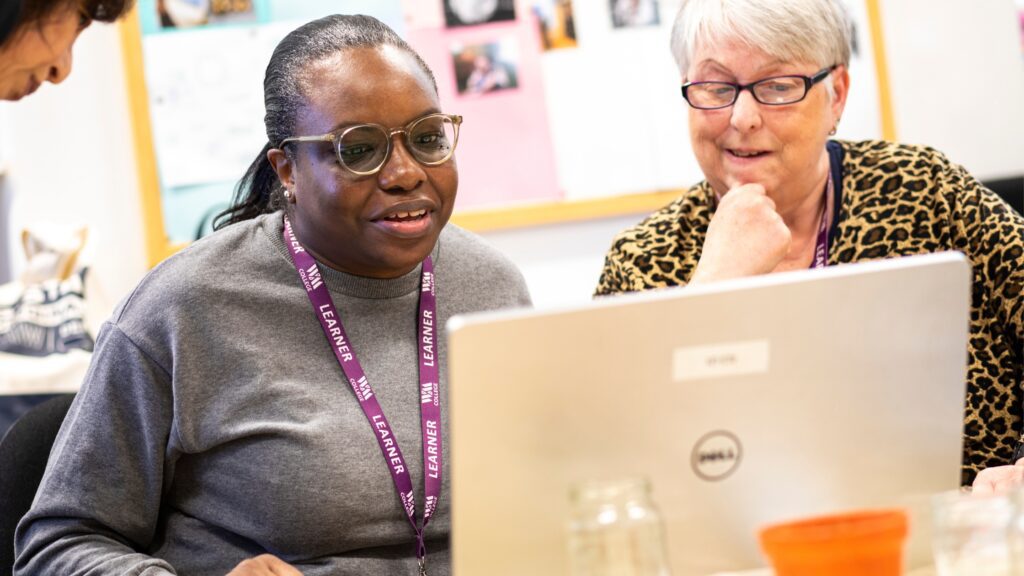
Two adult learners working together on a laptop in a classroom setting. One is wearing glasses and a grey jumper with a 'LEARNER' lanyard, while the other, an older woman, looks engaged and interested. The background features a bulletin board with pinned items

Race Equality Week runs from February 3rd to 9th, 2025, and is all about tackling racial inequality in the UK. Launched in 2021 by Race Equality Matters*, this week brings people, communities, and organisations together to take action for a fairer society.

At WM College, we’re proud of our diverse and inclusive community. Race Equality Week is a great opportunity for us to reflect on how we can continue improving and ensure that everyone is treated fairly. In this blog, we’ll explore why this week matters to us and share more about how we’re celebrating it.

Why is Race Equality Week important? 

Despite progress in tackling racism, systemic inequalities persist across many sectors in the UK. Race Equality Week aims to address these issues by encouraging action to improve racial diversity, inclusivity, and representation. The week focuses on creating open discussions, implementing meaningful change, and holding organisations accountable for creating fair and equitable environments. 

WM College values diversity among its adult learners and staff. This week is a chance to reflect on and boost the college’s commitment to inclusivity. Race Equality Week is a chance to discuss diversity. It aims to promote policies that ensure fair treatment for all, regardless of race. 

What happens during Race Equality Week?

During the week, organisations across the UK hosts events, workshops, and talks focusing on fighting race inequality. This includes revising steps such as recruitment processes, addressing pay gaps, and creating more diverse leadership teams. It’s a chance for individuals to learn about racial inequality and reflect on how to build a more inclusive society. 

As a College, we are committed to ensuring equality and inclusion for all our learners and staff. Race Equality Week reminded us to reinforce our values of diversity and social responsibility. By joining this movement, we affirm our commitment to social progress and inclusivity for all. 

WM College’s EDI Forum.

You may already know we have an EDI (Equality, Diversity, and Inclusion) forum here at WM College, open to both staff and learners. The forum meets once a term and discussions are based around how we can build an inclusive environment that promotes cultural awareness and respect, become an anti-racist organisation, monitor our EDI action plan, set goals to reduce barriers and encourage diversity of thought and action.

Speak to your tutor or manager today about how to get involved. 

Learn more…

To learn more about Race Equality Week or events happening in the UK, visit Race Equality Matters* for further resources, news, and ways you can get involved in 2025. 

If you want to know more about WM College and our diversity and inclusivity statements and values, head on over to our About Us page. 

* Please note, that we have referenced this website and others as useful resources. However, WM College does not own, manage, or take responsibility for the content, accuracy, or policies of external sites. Use these recommended websites at your discretion. 

The facts behind LGBT history month  

LGBT+ History Month logo, founded by Schools OUT, with diverse hands holding various LGBTQ+ pride flags, including transgender, non-binary, and bisexual flags.

LGBTQ+ History Month is an annual celebration in the UK. It takes place every February. The month promotes equality, diversity, and inclusion for the LGBTQ+ community, but how did it start, what does it represent, and why is the rainbow the symbol of the movement?

How did LGBTQ+ History Month start?

It aimed to highlight the achievements of LGBTQ+ people and raise awareness of their ongoing fight for equal rights. In the UK, the first LGBTQ+ History Month took place in 2005, initiated by Schools OUT, a charity dedicated to tackling homophobia in education. Every February, the month promotes equality, diversity, and inclusion. It highlights the history and achievements of LGBTQ+ individuals.

What does LGBTQ+ stand for? 

LGBTQ+ is an acronym that represents different identities within the community: 

  • L stands for Lesbian: Women who are attracted to other women. 
  • G stands for Gay: Men who are attracted to other men but can also be used to describe someone attracted to the same sex. 
  • B stands for Bisexual: People attracted to more than one gender. 
  • T stands for Transgender: People whose gender identity differs from the sex they were assigned at birth. 
  • Q stands for Queer or Questioning: “Queer” is a broad term used by some to describe non-heteronormative identities. “Questioning” refers to those who are exploring their sexual orientation or gender identity. 

The + symbol represents other sexual identities, like asexual and pansexual.

Why the rainbow? 

The rainbow flag is a global symbol of LGBTQ+ pride and inclusion. Designed by Gilbert Baker, an artist and activist, in 1978 wanted a symbol to unite the LGBTQ+ community and chose the rainbow for its representation of diversity and hope. Each colour has its own meaning: 

  • Red: Life 
  • Orange: Healing 
  • Yellow: Sunlight 
  • Green: Nature 
  • Blue: Serenity 
  • Violet: Spirit 

Today, the rainbow continues to stand as a symbol of unity, pride, and inclusion for all LGBTQ+ individuals across the world. 

Why celebrate LGBTQ+ History Month? 

LGBTQ+ History Month is an important time to reflect on the challenges and progress of the LGBTQ+ community. It aims to promote equality, combat discrimination, and educate people on the importance of inclusivity. It is also a moment to celebrate the contributions of LGBTQ+ individuals to society, from arts and culture to politics and activism. 

If you want to know more about LGBTQ+ History Month in the UK, you can visit the official website: https://lgbtplushistorymonth.co.uk *.

This website shares details about the month’s history, events, and resources. If you want to know more about WM College and our diversity and inclusivity statements and values visit our About Us page.  

* Please note that while we have referenced this website and others as useful resources, WM College does not own, manage, or take responsibility for the content, accuracy, or policies of external sites. Use these recommended websites at your discretion.

Top 10 CV building tips for job seekers

After or during your WM College course you might be thinking about getting a job or switching to a new one. Your CV is often the first impression you make to a potential employer, so it’s important to get it right. If you are looking for your first role or want to change careers, writing and building a CV can help you land an interview.

We’re here to help you. Follow these 10 essential tips to ensure your CV makes a lasting impact.

1. Keep it concise

Aim for no more than two pages in length. Look at your most relevant experience and proof of skills that match the job you’re applying for.

Formatting tip: use a clean, professional layout with clear headings and bullet points.

2. Create your CV template and tailor it to each role

Customise your CV for each application. Highlight skills and experiences that match the job description. Many companies use applicant tracking systems (ATS) to scan CVs for specific keywords. Make sure your CV mirrors the language used in the job posting to pass the initial screening.

3. Strong personal profile

Your profile at the top of your CV should summarise who you are, your key skills, and what you’re looking for. Make it specific to the job you are applying for. Professional profile writing to the role, by keeping it focused and no longer than 3-4 lines.

4. Emphasise your key skills

List both transferable skills (e.g. Communication, teamwork) and job-specific skills (e.g. technical abilities related to the role).

5. Highlight relevant experience

Start with your latest job. List your title, the company, the dates you worked, and what you did there. Focus on what you achieved. Use numbers to show results, like “increased sales by 20%.” Don’t forget you can include part-time jobs, internships, or volunteering. All these count as real experiences.

If you are a current learner, explore iLearn for learner ambassador opportunities and more.

6. Include education and qualifications

List education and relevant certifications in reverse chronological order. Include professional courses, certifications, or any recent qualifications that boost your candidacy.

7. Use action verbs

Use strong action words to describe what you did and achieved. Start with verbs like led, managed, improved, developed, and increased. These make your experience sound active and impactful.

8. Proofread for errors

Avoid making any spelling and grammar mistakes. Proofread your CV carefully or ask someone else to take a look at it.

9. Extra sections

Include volunteer work, languages, and hobbies that highlight your skills or match the job. These show what you can bring to the role.

10. Don’t forget your contact information

Make sure you add your full name, email address, phone number, and LinkedIn profile (if relevant) are included and up-to-date.

Need extra CV or career support?

If you need more help, we’re here to support your next steps. We offer free CV workshops for WM College learners, along with other resources to help you showcase your skills, highlight your experiences, and explore career and volunteer opportunities. Visit our careers page for more details.

Other resources

National Careers Service

Indeed

Reed.co.uk

Discover the writer within: How to get started with creative writing

Ever felt like you have a story to tell but aren’t sure how to begin? Writing about your own life experiences is a powerful way to capture memories, express yourself creatively, and explore your storytelling potential. Whether you want to document your journey, explore a specific memory, or even write a memoir, our Creative Writing course in Camden is the perfect place to start.

WM College is located in the heart of Camden, London, and offers a wide range of courses, including our popular Creative Writing course.
If you’re unsure about committing to a full course, why not try this simple taster exercise to get a flavour of what to expect?
Below, you’ll learn a few key elements of creative life writing and practice transforming your memories into compelling stories.

Step 1: Recall a memory

Think of a memory that stands out to you—it could be a small, everyday moment or a life-changing event. Choose something you feel comfortable exploring in writing. This exercise is perfect for anyone starting their creative writing journey and is an excellent introduction to our Creative Writing courses in Camden.

Step 2: Add sensory details

Write down your memory in 2-3 sentences. Then, rewrite it by adding sensory details. What could you see, hear, smell, taste, or feel at that moment?

Original: I sat in the park on a sunny afternoon.

Revised: The warm sun kissed my skin as I settled onto the park bench. The sound of children’s laughter floated on the breeze, and the scent of freshly cut grass filled the air.

Notice how the revised version brings the scene to life by appealing to the senses? Sensory details help immerse your reader in your world, creating a more engaging story.

Step 3: Show, don’t tell

Now, practice the “show, don’t tell” technique by transforming a simple statement into something more descriptive. Instead of telling your readers how you feel, show them through actions and descriptions.

Example: Instead of writing I was nervous, show your reader what nervousness looks or feels like:

My hands trembled as I fumbled with the pen. My breath caught in my throat, and the room felt too hot. I couldn’t stop bouncing my leg under the table.

See how much more powerful that is? The reader can feel the emotions without having to directly state them. This technique is essential for improving your storytelling.

Sharing and feedback

In our Creative Writing courses, you’ll get the chance to share your writing with others and receive feedback in a supportive and encouraging environment. Reflect on how this short exercise helped you bring your memory to life. The more you practice, the more natural your writing will become!

What’s next?

This taster exercise is just the beginning. In our full Creative Writing courses, you’ll explore more ways to capture your life experiences on the page, experiment with different writing techniques, and build your confidence as a writer.

With regular feedback from your tutor and peers, you’ll discover your unique voice and unlock your writing potential. If you’ve enjoyed this exercise, why not take the next step and join a Creative Writing course with WM College? Whether you want to improve your writing skills, tell your story, or simply develop your creativity, our course is designed to help you achieve your goals.

Find your next local Creative writing course

Who knows? You might follow in the footsteps of Lisa Jewell,  New York Times and Sunday Times’ number one bestselling author and one of our former creative writing learners. Read more here.

For more information or to enrol, view our creative writing courses here.

The benefits of in-person learning this Winter

As the Winter season sets in and we approach the New Year, we know many adults might feel tempted to continue learning online from the comfort of their homes with a hot cup of tea. While online education can offer flexibility, there are unique benefits to in-person learning in London, particularly during this time of year.

What are they you ask? Let us tell you…

Being physically present in a learning environment
has some clear advantages:

  1. In-person classes are a great way to break out of winter isolation and connect with others. Face-to-face interactions with peers and instructors can boost your motivation, keep you engaged, and even help you make new friends along the way.
  2. Increased focus: The colder months are often when motivation dips, but attending classes in person encourages accountability. The physical environment of a classroom removes the distractions of home, leading to better focus and productivity.
  3. Building routine: Starting the New Year with in-person classes helps build a structured routine, which can be key to staying on track with your goals. This consistency creates positive momentum, giving you a purposeful way to kickstart 2025.
  4. Collaborative learning: The winter can feel isolating, but in-person learning brings the opportunity to collaborate with classmates, share ideas, and build lasting friendships, which is often harder to replicate online.

And there’s more…

Attending classes in person at WM College offers adult learners an opportunity to connect, collaborate, and immerse themselves fully in the educational process, which can be especially important for creative, vocational, and hands-on subjects.

At WM College, many of our courses in creative arts, such as Bookbinding, Ceramics, Jewellery Making, and Woodcarving, rely heavily on the use of specialised equipment and studios that are difficult to replicate in an online setting. Learning in-person gives you access to tools, materials, and expert guidance, allowing you to practice and perfect your skills in a fully equipped environment.

Beyond the creative fields, even professional and IT courses such as Accounting and Payroll, Computing and Digital Skills, and Teacher Training benefit from in-person learning. In a classroom, learners can receive immediate feedback, participate in group discussions, and better engage with complex material through practical activities. Moreover, meeting with tutors and peers face-to-face fosters a sense of community, helping you stay motivated and supported, especially when starting a new year.

Winter may seem like the perfect time to stay home, but the energy and inspiration found in attending a college in a vibrant city like London can be invaluable. WM College offers a variety of short and long courses tailored to adult education that fit around your schedule, with many courses starting in January and beyond…

So if you’re looking to make 2025 matter and want to start the year off with a strong, positive learning experience, explore WM College’s range of in-person courses today and see how they can help you meet your personal or professional goals!


Click here to explore, with most of our courses free or subsidised, what have you got to lose?

WM COLLEGE
44 Crowndale Road
NW1 1TR
Tel: 020 7255 4700
Email: learnerservices@wmcollege.ac.uk