Deprecated: mp_timetable\plugin_core\classes\Core::current_screen(): Implicitly marking parameter $current_screen as nullable is deprecated, the explicit nullable type must be used instead in /home/digitaldepotco/wmc/wp-content/plugins/mp-timetable/classes/class-core.php on line 559

Deprecated: mp_timetable\classes\models\Export::mptt_authors_list(): Implicitly marking parameter $post_ids as nullable is deprecated, the explicit nullable type must be used instead in /home/digitaldepotco/wmc/wp-content/plugins/mp-timetable/classes/models/class-export.php on line 368
Blog Archives - Page 2 of 4 - WM College
Open Web SearchOpen Mobile SearchOpen Mobile Menu

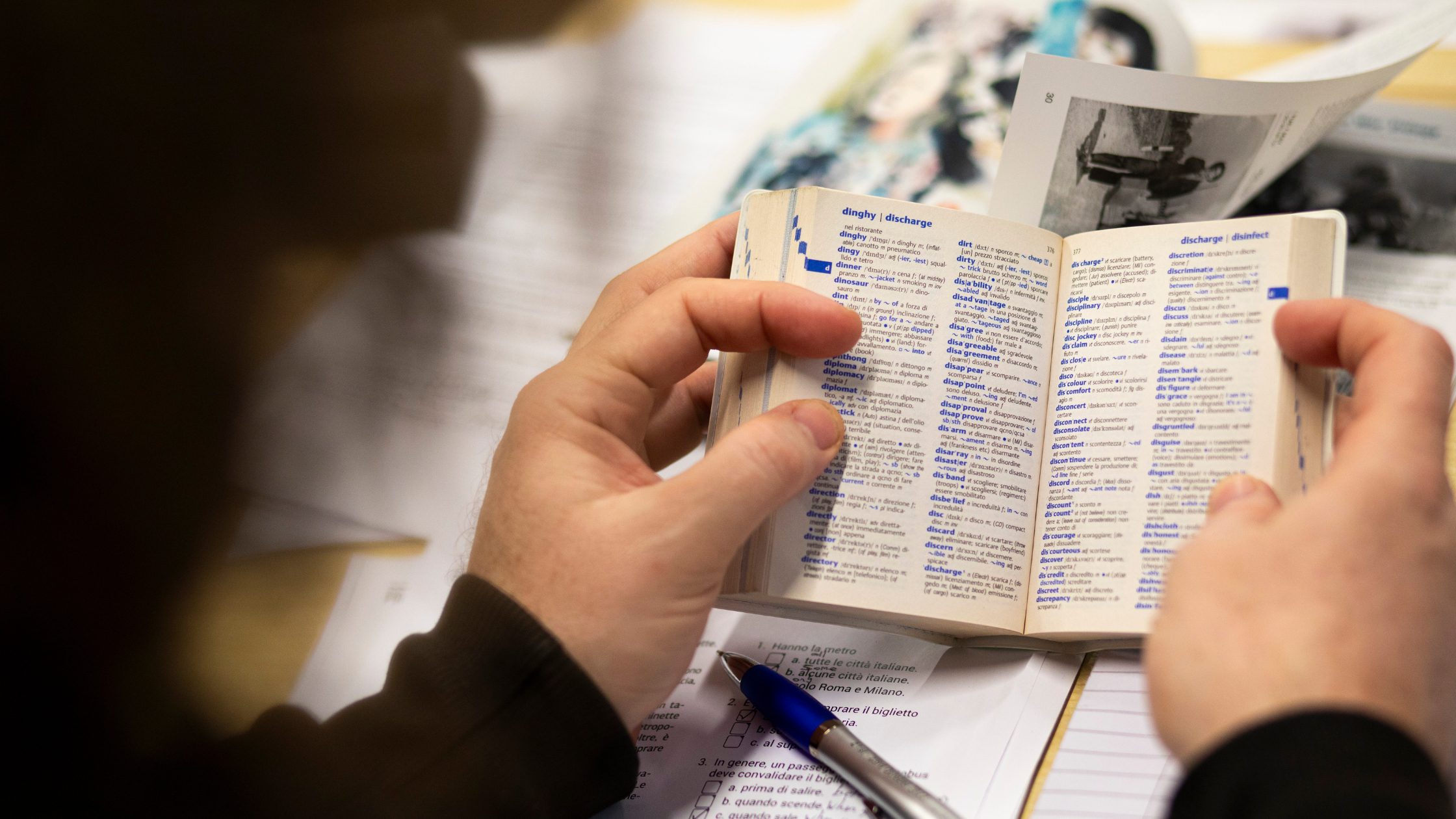
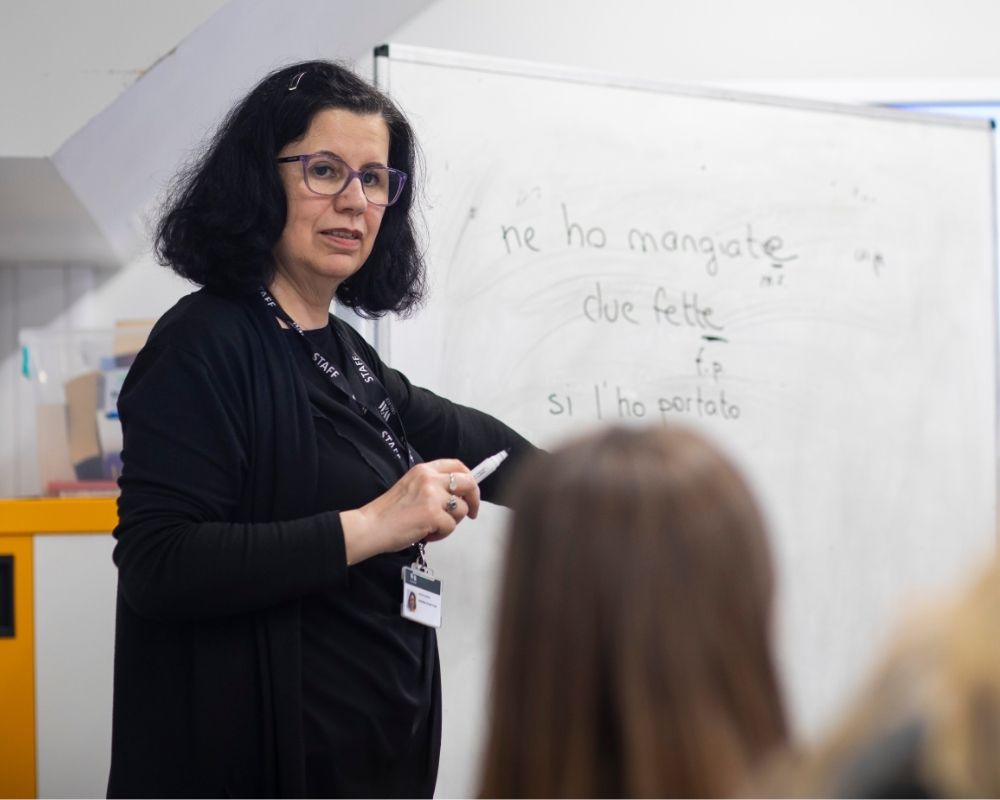
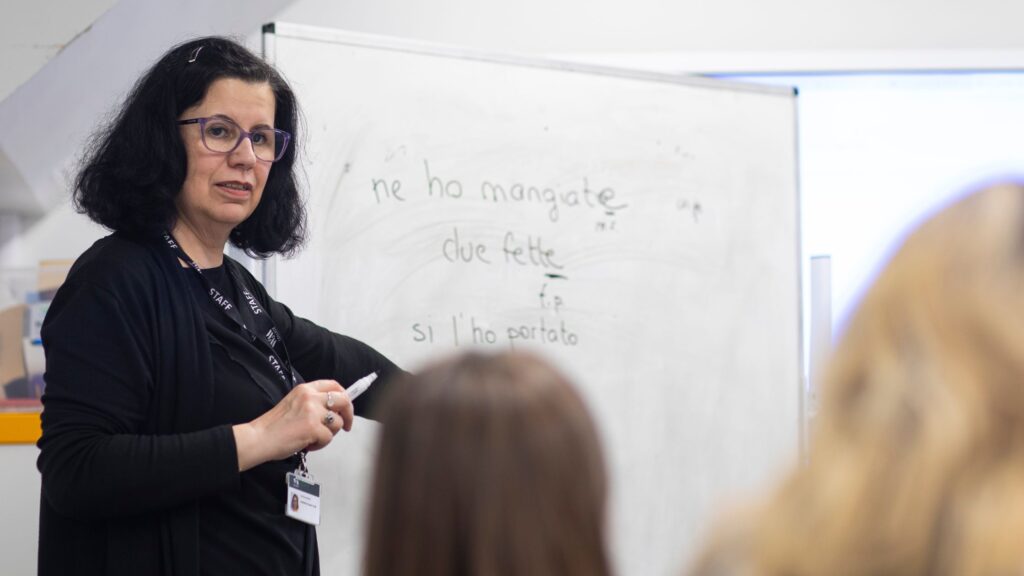
Why learning a language in person beats apps and online learning 

Learning a new language is one of the most rewarding things you can do, and how you learn makes a big difference. While apps like Duolingo are a popular starting point, in-person classes offer an experience that goes far beyond tapping on a screen. 

Here’s why learning a language in person can help you learn faster, feel more confident, and actually enjoy the process. 

Learn with real people, not just your phone 

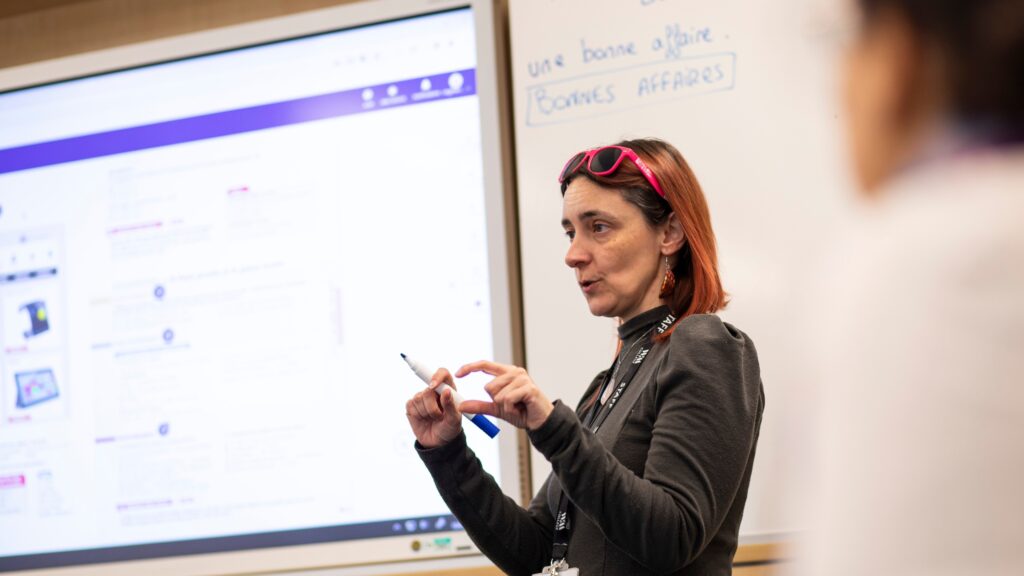
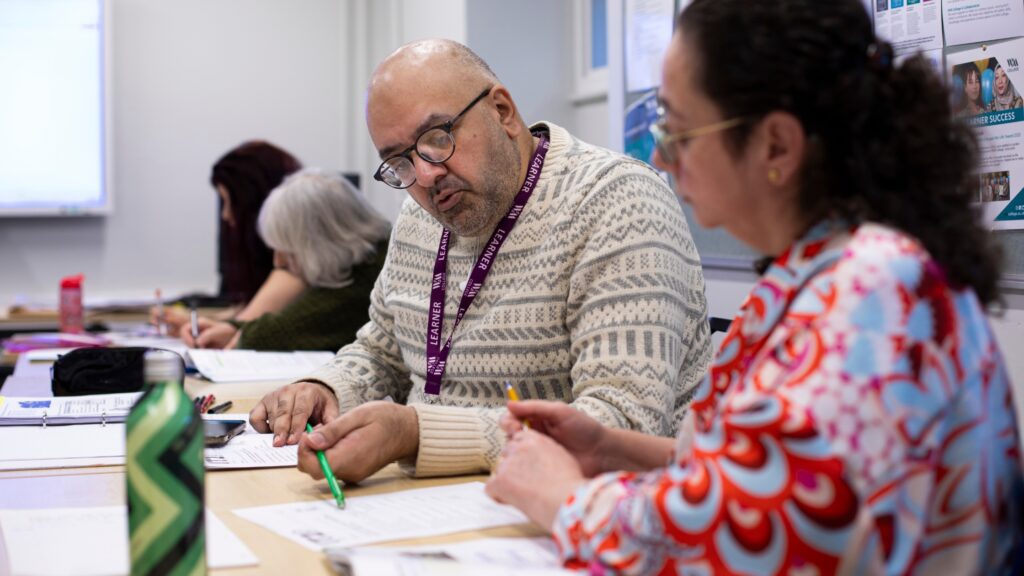
Languages are meant to be spoken. In our classroom at WM College, you practise real conversations, hear different accents, and learn how people actually communicate. You’ll meet others who are learning just like you, making lessons more enjoyable and motivating. 

Our language classes feel friendly and supportive, helping you build confidence from day one. 

Stay motivated with structure and support 

Apps are easy to start and easy to forget. In-person classes give you a routine, clear progress, and a tutor who keeps you on track, and what’s better? Our tutors are native from the languages they teach. Having a set time and place to learn helps turn good intentions into real progress and gives you a structured learning approach.  

Learn the culture, not just the words 

Learning a language is about more than vocabulary. In-person tutors bring the language to life by sharing cultural insights, everyday expressions, and real-world situations. Through group activities and role-play, you learn how the language is actually used. 

Get teaching that fits you 

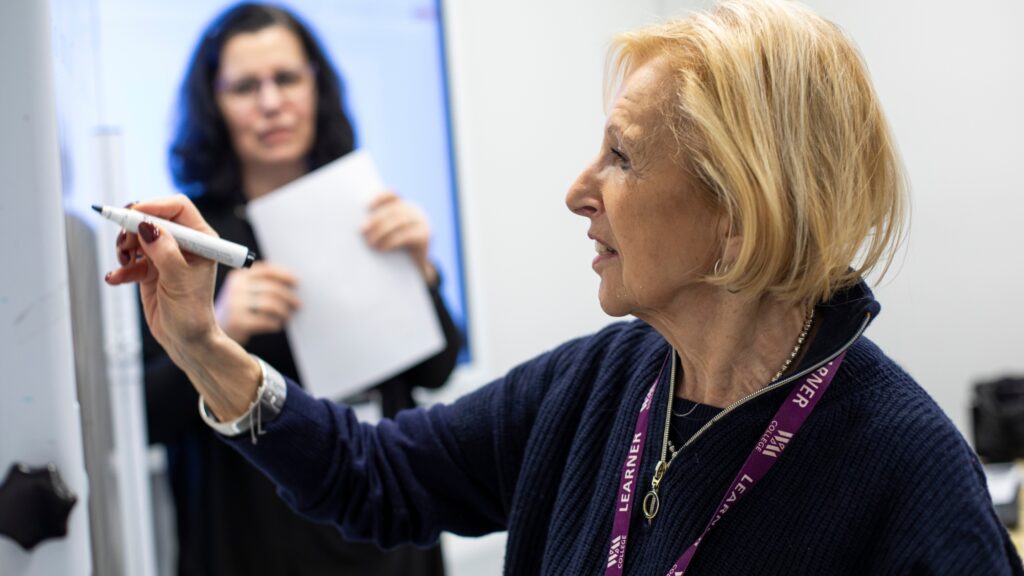
Online apps follow the same path for everyone. In a classroom, tutors can adjust lessons to your level, answer questions straight away, and help you improve where you need it most, whether that’s speaking, listening, or grammar. 

Build confidence that lasts 

Speaking a new language can feel scary at first. In-person classes give you a safe space to practise, make mistakes, and grow in confidence. Over time, you’ll find yourself speaking more naturally and without fear. 

Take the next step 

At WM College, we offer a range of in-person language courses, including Italian, Spanish and French, taught by experienced tutors in a welcoming learning environment. 

If you’ve been thinking about learning a language, this is your sign to give it a try with real people, real conversations, and real progress. 

Explore our language courses and start your learning journey with WM College today. 

WM College learner story: Emma ’s Jewellery Journey

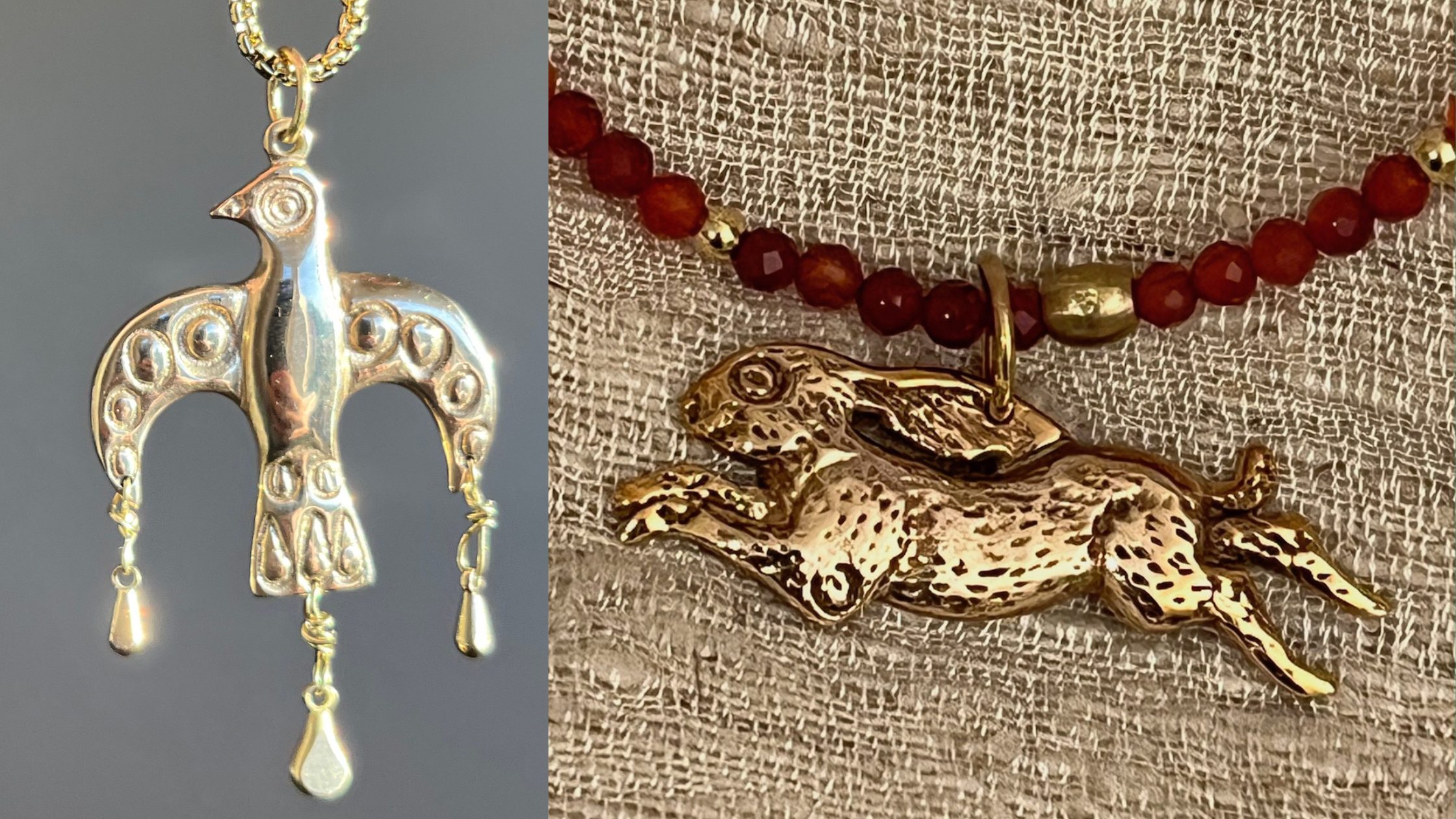
For many people, jewellery making starts as a simple curiosity, the desire to create something beautiful with their own hands. For Emma, it was the start of a much bigger journey. Through a course at WM College, she discovered not only new skills and techniques, but also the confidence to develop her ideas and the support of a creative community around her.

Turning ideas into jewellery 

Emma’s process in jewellery making is all about experimenting and figuring things out as she goes. It starts simply, with pen and paper, sketching ideas and playing with different shapes and designs. Once an idea feels right, she takes it into the digital space, modelling her pieces in 3D and refining the details.

“The first time I saw my pieces at the Highgate Fair, it was thrilling,” Emma says. “It’s one thing to make something in the workshop, but seeing people wear it, appreciate it, and ask about it, that’s a completely different feeling.” 

Learning from the best at WM College

One of the highlights for Emma is the quality of the tutors. “My tutor is knowledgeable and very encouraging…she guides you through techniques while letting you explore your own ideas. You learn a lot just by watching and getting feedback.” 

But learning doesn’t stop with the tutor. Emma also draws inspiration from other students, exchanging tips, techniques, and advice about selling and showcasing jewellery. “Being around people with similar interests pushes you to try new things,” she notes. 

Career progression in jewellery making 

Emma emphasises that attending WM College isn’t just about learning technical skills. The courses offer a creative community and a supportive environment where makers inspire each other. Discussions about costings, selling strategies, and exhibitions happen naturally, alongside learning soldering, casting, and polishing. 

“I’m still developing my designs, working out costings, and planning a website,”

Emma showcased her work at the East Finchley Christmas Fair, and she hopes to participate in more exhibitions in the future. For her, the course was the starting point of a journey, a bridge between craftsmanship and entrepreneurship. 

Why choose WM College  

Emma says, “I get so much from attending WM College courses, learning techniques, business tips, and meeting people interested in similar things. It is a very inspiring and accessible place.” 

Her journey highlights how WM College courses help makers at every stage. With expert tutors, practical workshops, and a collaborative community, the courses provide a clear pathway for skill development and career progression in jewellery-making and silversmithing. 

It’s your turn to begin 

Explore WM College Jewellery & Silversmithing courses.

LGBT+ History Month UK 2026: Understanding gender & celebrating innovation

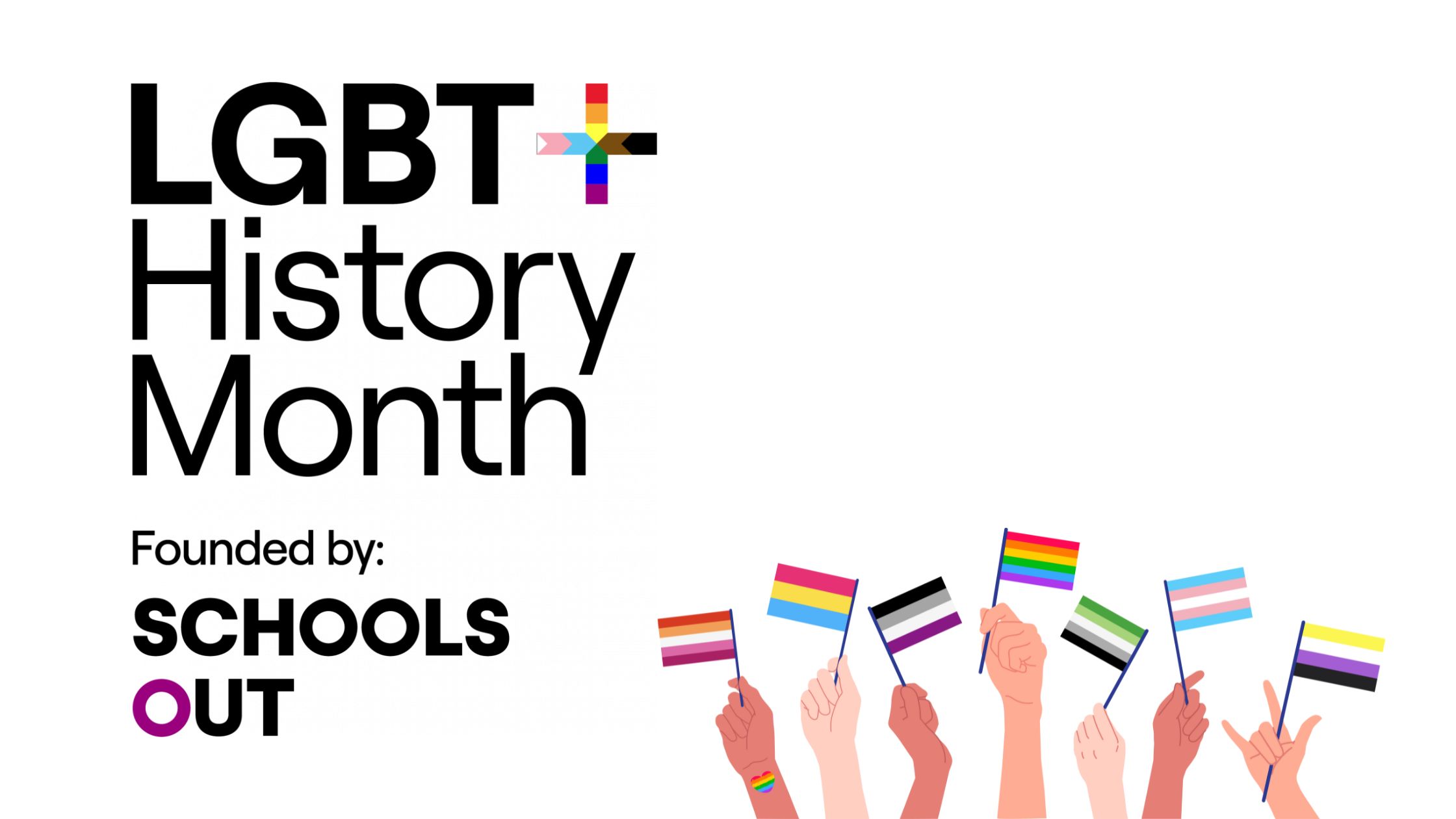
LGBT+ History Month UK is celebrated every February and offers an important opportunity to learn about LGBTQ+ history, visibility, and inclusion. At WM College, we believe our diversity is one of our strengths. We welcome adults of all ages, religions, and sexual orientations and believe everyone should have access to high-quality education. People with learning difficulties and/or disabilities are supported according to their needs. 

We want to share a simple guide to understanding sex, gender, sexual orientation, and this year’s theme: Science and Innovation. 

7 people who changed LGBT history - BBC Three

What is LGBT+ History Month UK? 

LGBT+ History Month is an annual UK-wide celebration every February that recognises the history, experiences, and contributions of LGBT+ people.  It was first established in 2005 by the charity Schools OUT UK to coincide with the anniversary of the abolition of Section 28, a law that prevented councils and schools from “promoting homosexuality.” The month encourages education, reflection, and visibility across schools, workplaces, and communities.  

This year’s theme: Science and innovation 

This theme celebrates the contributions of LGBT+ people to scientific discovery, research, medicine, technology, and innovation throughout history, often overlooked in mainstream narratives. It also encourages reflection on how inclusive thinking and diverse perspectives drive progress in every field. 

Celebrating this theme is not just about past achievements. It’s about acknowledging diverse voices that have shaped innovation and continue to do so today.  

Understanding sex, gender & inclusive language 

Language matters. Using the correct terms and pronouns shows respect and fosters an inclusive environment. 

Sex vs gender 

  • Sex: Biological (male, female, intersex). 
  • Gender: How we identify (man, woman, non-binary, genderfluid, etc.). 

Key terms 

  • Cisgender: Gender matches sex assigned at birth. 
  • Transgender (Trans): Gender differs from sex assigned at birth. 
  • Non-binary: Doesn’t fit into ‘man’ or ‘woman’. 
  • Transition/Gender Reassignment: Aligning gender identity with lived experience. 

Pronouns matter 

Using correct pronouns creates a respectful environment. At WM College: 

  • Staff can add pronouns to email footers. 
  • Students and staff can wear pronoun badges, available at reception. 

Respect, inclusion, and understanding start with language. Using the right words helps everyone feel seen and valued. 

Why LGBT+ History Month UK matters 

LGBT+ History Month is a celebration and an opportunity to learn, reflect, and grow. It shines a light on the struggles and achievements of LGBT+ people that are too often missing from textbooks and classrooms. Sharing these stories gives visibility to the rich diversity of LGBT+ lives, cultures, and identities in schools, workplaces, and communities. It also challenges us to confront prejudice and stereotypes, encouraging empathy and understanding. Most importantly, it reminds us that while progress has been made, the journey toward equality and inclusion is ongoing, and we all have a part to play in making society more welcoming for everyone. 

How is it different from Pride Month? 

While both celebrate LGBT+ lives and visibility, they have different focus points: 

Aspect LGBTQ+ History Month (UK) Pride Month (UK & Worldwide) 
When February (in the UK) June  
Focus Education, history, reflection Celebration, visibility, community 
Activities Talks, exhibitions, learning programmes Parades, festivals, performances 
Purpose Learn about history & progress Celebrate identity, pride, and community 

LGBT+ History Month reminds us to listen, learn, and support one another, creating a college community where everyone belongs 

Explore our courses at WM College and be part of an inclusive, supportive learning community. 

Why are more adults leaving their jobs to follow creative careers? 

More adults are swapping spreadsheets for sketchbooks and boardrooms for studios. Across the UK, people are leaving corporate roles to follow their passions in art, design, and other creative fields. 

It’s not just a career change; it’s a life change.  

But taking that leap isn’t easy. It takes courage, careful planning, and, crucially, the right support. This is where education, guidance, and creative communities can make all the difference. 

The rise of career change among adults 

Adults are increasingly choosing career reinvention over traditional corporate roles,  prioritising wellbeing, purpose, and creative fulfilment rather than salary alone. 

Foundation courses, adult learning programs, and degree pathways offer the perfect opportunity to explore new skills, experiment with creative mediums, and gain mentorship, all within a supportive and hands-on environment. 

Nicole’s leap from corporate life to a creative career 

After years in the corporate world, Nicole, a previous WM College learner, decided to take a break and do something for herself. Encouraged by her husband, she enrolled in a foundation art course at WM College, initially planning to focus on drawing and painting. 

It was there that she discovered our ceramic courses. 

“I could sketch what I wanted to make, then create it with my hands. And once it was made, I could glaze and paint it too. I really enjoyed the process... I’m a mother of three, and my son and I started university together, him at Bath, me at CSM. It was challenging at times, but also really rewarding.”

With guidance from her tutors, she built her skills and confidence. Even while starting her degree, she continued to take short courses during the holidays to keep learning and exploring. 

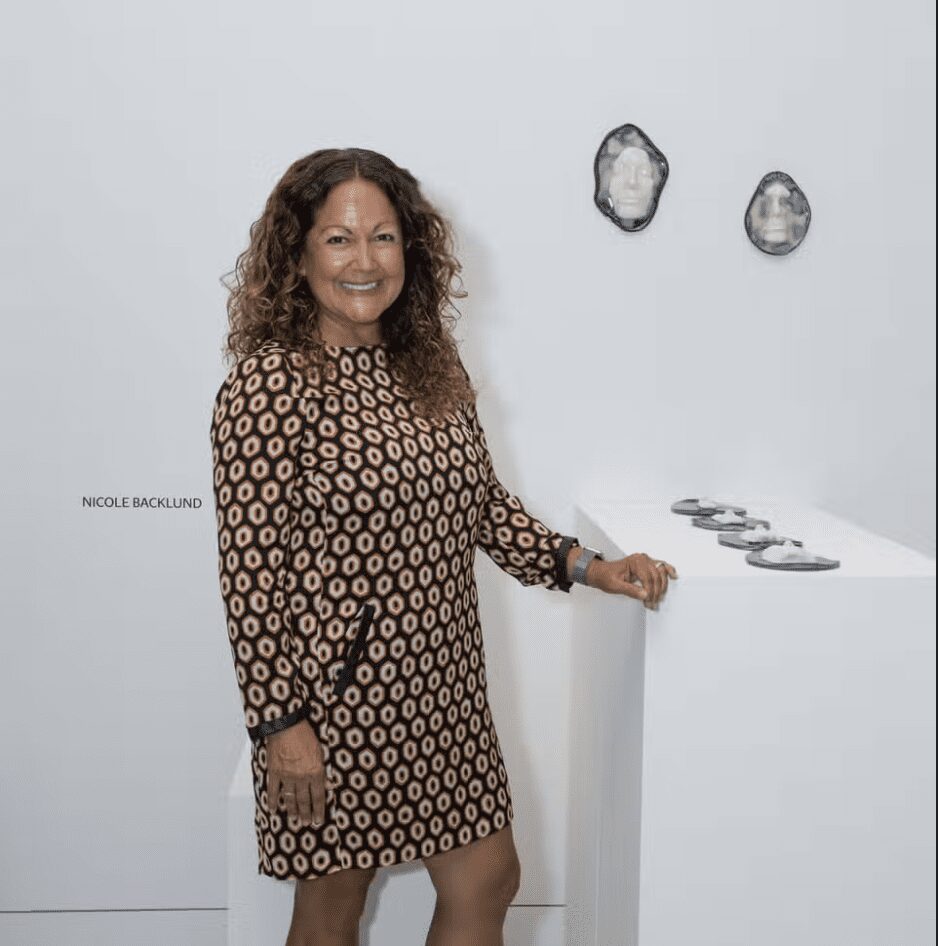
Picture of Nicole Backlund, WM College alumna who pursued her foundation art course at WM College.

Nicole Backlund

WM College Alumna

Overcoming challenges as an adult learner 

Returning to study as an adult often comes with its own set of challenges. For many reasons, financial considerations are a key hurdle. Transitioning from a regular salary to student life requires careful planning. Some manage this by taking on part-time work, flexible roles, or ambassador opportunities at their college or university, while leaning on support from family and friends. 

Despite these challenges, there’s a common experience among adult learners: doing something you enjoy every day can make the sacrifices worthwhile.  

How WM College makes a difference 

Returning to education as an adult can feel daunting, but the right support makes all the difference. At WM College, we offer small classes, expert tutors, and a welcoming community, giving our learners the confidence to explore new skills and career paths across a variety of subject areas. 

Alongside high-quality teaching, learners have access to career support and financial guidance, helping them make informed decisions about their studies and future progression. For many adult learners, this holistic support is key to taking meaningful steps toward a creative or career-changing path.

“WM College was a place where my ideas were taken seriously, and I had space to explore my creativity.”

Why these matters 

Nicole’s story highlights several lessons for adults considering a career change: 

  1. It’s never too late to pursue a passion. 
  2. Education can unlock new opportunities, introducing you to skills and media you might never have tried. 
  3. Challenges are manageable with planning, flexibility, and creativity. 

Changing careers as an adult requires courage, but it can also lead to a more fulfilling and balanced life. By exploring what you love, finding supportive communities, and taking small steps, it’s possible to make a creative passion a sustainable career. 

Start your new chapter this term at WM College and find the perfect course for you.  

Italian language courses for 2026: Beginner, conversation & culture classes 

The New Year is nearly here – a fresh start, a chance to try something new, and a perfect moment to invest in yourself. If learning a new language has ever been on your “someday”, “bucket list” list, 2026 is the year to make it happen.  
 
Why not immerse yourself in the beauty of Italian – in a friendly, face-to-face classroom environment – giving you the chance to learn, practice, and connect with tutors and fellow learners in real life. 
 
This is no soulless online course – it’s social, interactive, and designed to help you speak Italian from day one and make some friends whilst you do it!  

Beginners Italian 

Never learned Italian before? No problem. Our beginner’s Italian course covers the essentials: greetings, everyday phrases, pronunciation, and simple grammar. Here’s a taste of what you could be saying after just a few sessions: 

  • Buongiorno! – Good morning!
  • Come stai? – How are you?
  • Mi chiamo… – My name is…
  • Per favore / Grazie – Please / Thank you 

Learning in a classroom means you can practice these phrases with a real person, get instant feedback, and gain confidence speaking in a supportive environment. 

Conversation Italian: Speak with confidence 

Already know some Italian? Our Conversation Italian course helps you take your speaking skills further. Through role-plays, discussions, and real-life scenarios, you’ll improve your fluency and confidence. Imagine chatting with new friends about your weekend in Italian or ordering your favorite pasta dish at a local restaurant – all practiced in class before you ever leave town! 

Italian & culture: Learn more than words 

Language is more than words – it’s culture, food, music, and history. Our Italian & Culture course combines language learning with a rich exploration of Italian traditions and lifestyle. From learning to describe your favourite Italian meal to understanding the etiquette of a café in Rome, you’ll leave with practical skills and cultural insights you can use right away. 

Free Italian taster workshop 

Are you unsure which course is right for you? Try Italian first with a free taster workshop. 

We’ll be running two 30-minute Italian taster sessions at our Open Day on 8 January 2026. You’ll learn useful everyday phrases, get a feel for the language, and explore a little Italian culture. 

If you enjoy it, you’ll be able to enrol on the day for a course starting in January 2026. 

Whether you’re starting from scratch or ready to chat fluently, our in-person Italian courses are tailored to help you succeed.  
 
Don’t wait, make this the year you finally say, “Parlo Italiano!” 

Enrol now for 2026 and start your Italian adventure in person!

What is mosaicing and why try it?

Mosaics have a way of drawing you in. You might spot them on a building, in a public space, or while travelling, and wonder how something made from so many small pieces comes together to produce a beautiful piece of art.  

We’ve put together a simple guide explaining exactly what mosaicing is, how it works, and why it continues to inspire artists and makers of all levels at WM College.

What is mosaicing? 

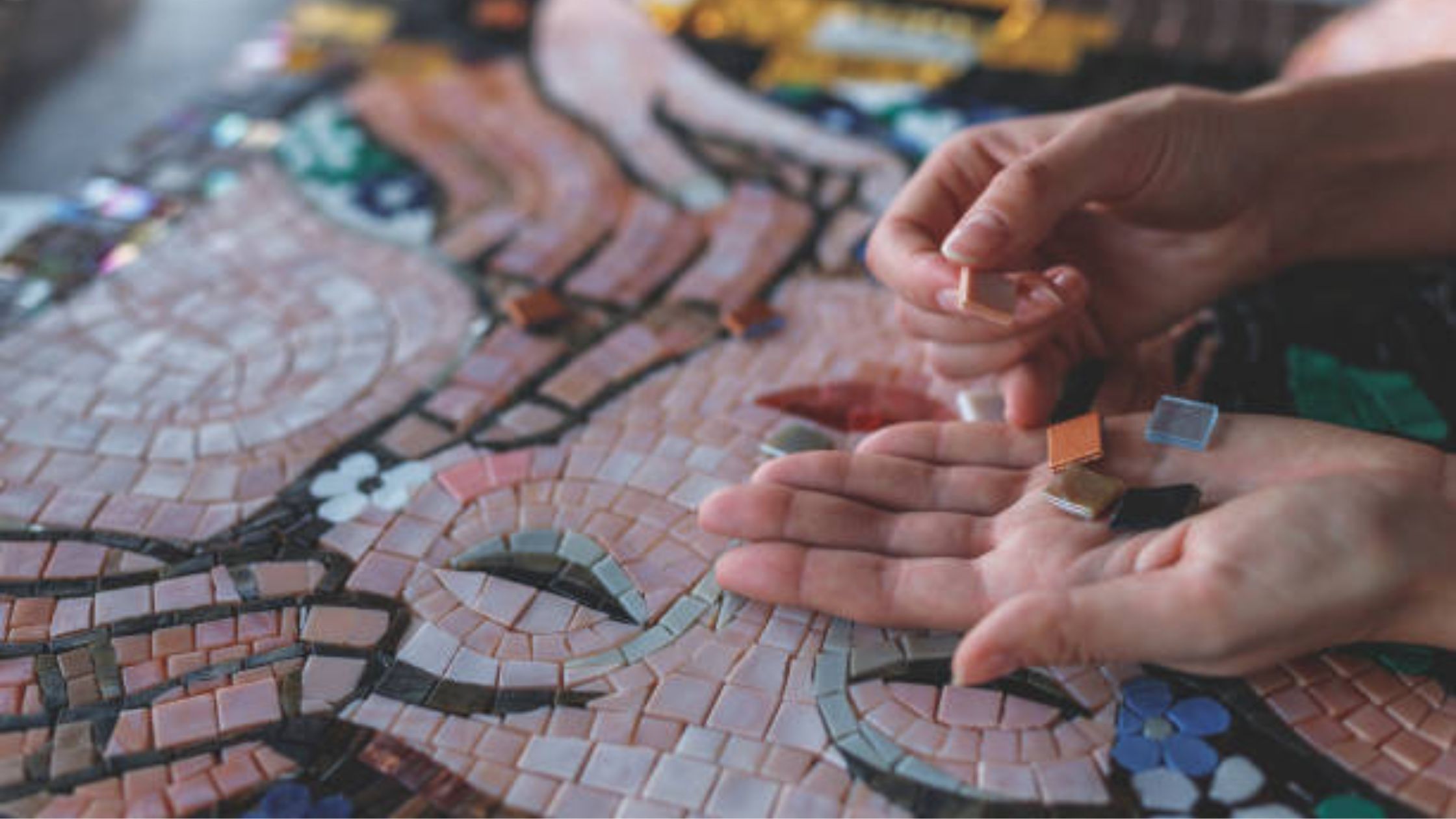
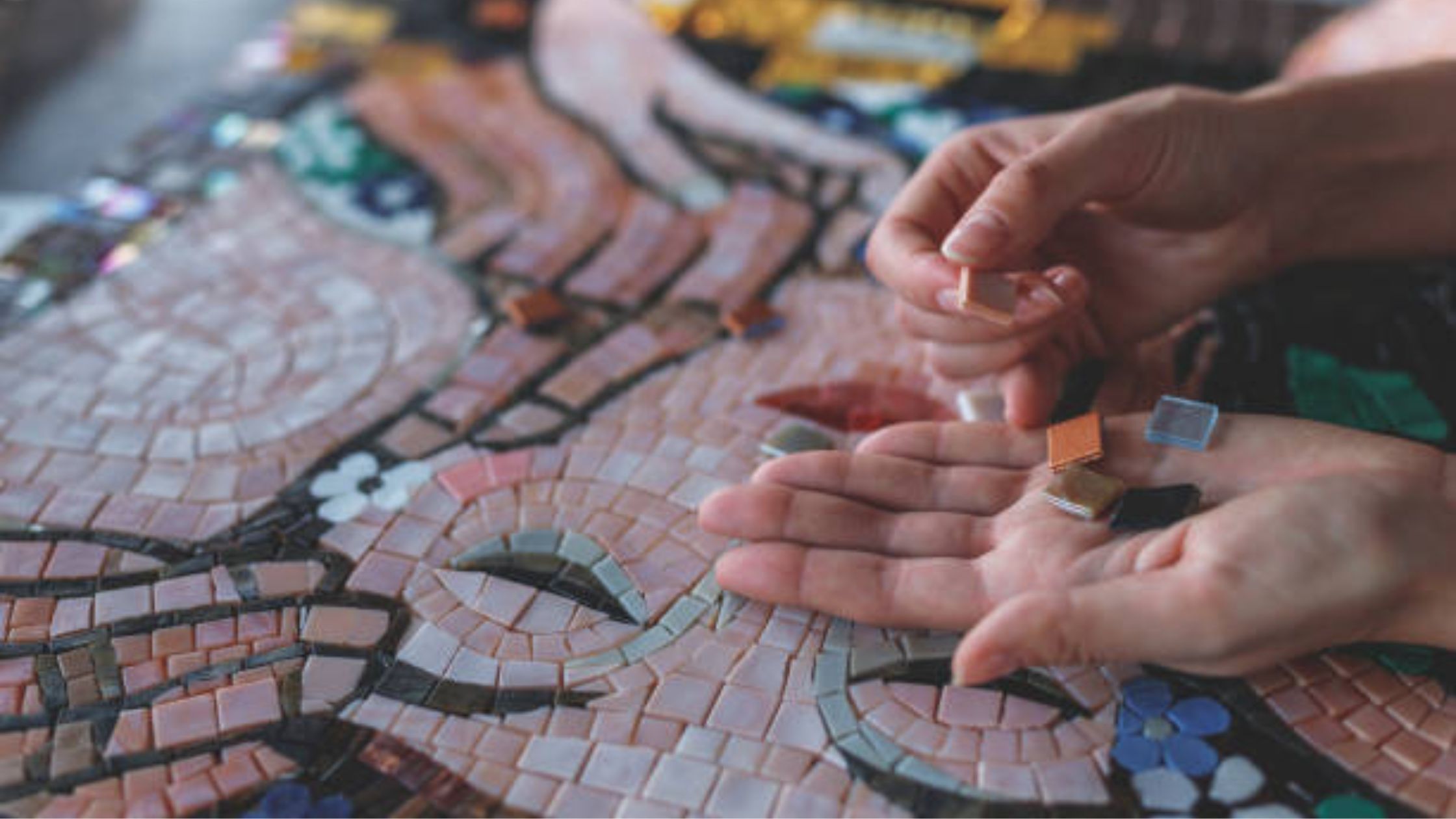
Mosaicing is the art of arranging small pieces of coloured materials into patterns or images. It’s an ancient craft that’s surprisingly accessible, using simple materials like glass, tiles, or stone to create bold, expressive designs.

Mosaics can range from simple decorative items like coasters and frames to large-scale murals. The possibilities are endless, and no prior experience is needed to get started. 

A brief history of mosaic 

Mosaics have been around for thousands of years. The ancient Romans used them to decorate floors and walls, creating intricate patterns that are still admired in today’s world.

Mosaics also became an important feature in Islamic and Byzantine art, where intricate patterns and detailed designs were used to decorate mosques, churches, and palaces. Many of these mosaics still exist today, highlighting the durability and timeless appeal of the technique.

Why try mosaicing? 

For many people, mosaicing offers a welcome break from screens and busy routines. It encourages you to work with your hands and enjoy a creative process.
 
Mosaicing is ideal for beginners because it doesn’t rely on traditional drawing or painting skills. Instead of starting with a blank page, you build your work step by step, adjusting as you go. Mosaicing can also be therapeutic. The repetitive process of placing tiles or pieces can be relaxing and meditative, helping to reduce stress and improve focus. It’s a hands-on way to express yourself while producing something tangible and beautiful.

Whether you’re looking to try a new hobby, decorate your home, or simply enjoy a mindful activity, mosaicing is a versatile, rewarding craft that anyone can explore.

Can mosaicing lead to a career? 

For some people, mosaicing begins as a creative hobby and gradually develops into something more. With training, practice, and experience, it can open pathways into professional work such as public art, architectural projects, restoration, teaching, or independent studio practice. 

Mosaic artists often work on commissions for homes, community spaces, or public buildings, while others combine mosaicing with related creative disciplines. Some go on to teach, run workshops, or contribute to collaborative art projects. 

While mosaicing is not a quick route to a full-time career, it offers a strong foundation in craft, design, and material knowledge. Learning the fundamentals, especially through a structured beginner’s course, can be the first step for those curious about developing their skills further. 

Explore mosaic with the London School of Mosaic at
WM College 

Did you know we’re the new home for the London School of Mosaics’ popular short courses?  From February 2026, their highly regarded classes will be offered right here in Camden, giving you the chance to learn from experienced tutors and explore your creativity one tile at a time. 

You can read more about this exciting development in our previous blog here. 

Find the right course for you 

We offer a variety of mosaic courses, so there’s something for everyone: 

Learn how to mosaic  

Mosaicing is a way to explore creativity, focus the mind, and create beautiful, lasting artwork. If you’ve been curious about mosaics, there’s never been a better time to start. 

Book a course today and transform small pieces into something extraordinary! 

6 ways Maths plays a role in your everyday life 

Many people think maths is only something you need at school, but in reality, maths is used every day without us even realising. From managing money to planning your time, basic maths skills help you make better decisions and feel more confident in daily life. You do not need advanced maths. Even simple skills can make a big difference in your life. 

We’ve put together six everyday ways maths plays an important role in your life. 

1. Managing money and budgeting 

Maths helps you understand your income and expenses. You use it to create a budget, pay bills, and plan how to spend your money. Basic maths allows you to check bank statements, understand interest rates, and avoid debt. These skills are especially useful for adults managing households or planning long-term goals. 

2. Shopping and comparing prices 

Every time you shop, maths helps you make smart choices. You calculate totals, compare prices, and decide which products offer the best value. Understanding percentages helps you work out discounts and special offers. Over time, these small calculations can help you save money and avoid overspending. 

3. Time management and planning 

Did you know Maths is important for managing time? You use it to plan your day, work out travel times, and meet deadlines. Understanding time helps you balance work, family, and personal responsibilities. Effective time management can help reduce stress and enhance your daily routine. 

4. Cooking, measuring, and recipes 

Cooking uses maths in many ways. You measure ingredients, follow cooking times, and adjust recipes when cooking for more or fewer people. Maths helps you understand quantities and temperatures, making cooking safer and more enjoyable. 

5. Work, wages, and career skills 

Maths is used in most jobs across all levels, from administration to director-level roles. You may need it to understand your payslip, calculate working hours, or meet targets. Many employers value good maths skills because they show problem-solving ability and attention to detail. Improving your maths can help you feel more confident at work and support career progression. 

6. Problem-solving and everyday decisions 

Maths helps you think logically and solve problems. Whether you are planning a journey, managing your time, or making financial decisions, maths helps you compare options and choose the best solution. 

Using Maths in 2026

If you want to improve your maths skills, we offer maths courses throughout the year, including Functional Skills Maths and GCSE Maths for adults. Our courses focus on real-life maths, helping you apply what you learn to everyday situations such as money, time, and work. 

No matter your age or background, improving your maths can make daily life easier and more confident. Learning maths is a practical skill that supports independence and opportunity. 

Why study creative digital media? Skills, learning & career benefits  

What is creative digital media? 

Digital creative media is about using digital tools and technology to produce visual, audio and multimedia content. From graphic design and photography to video editing, sound production and online content, digital creative media skills help you turn creative ideas into professional work. 

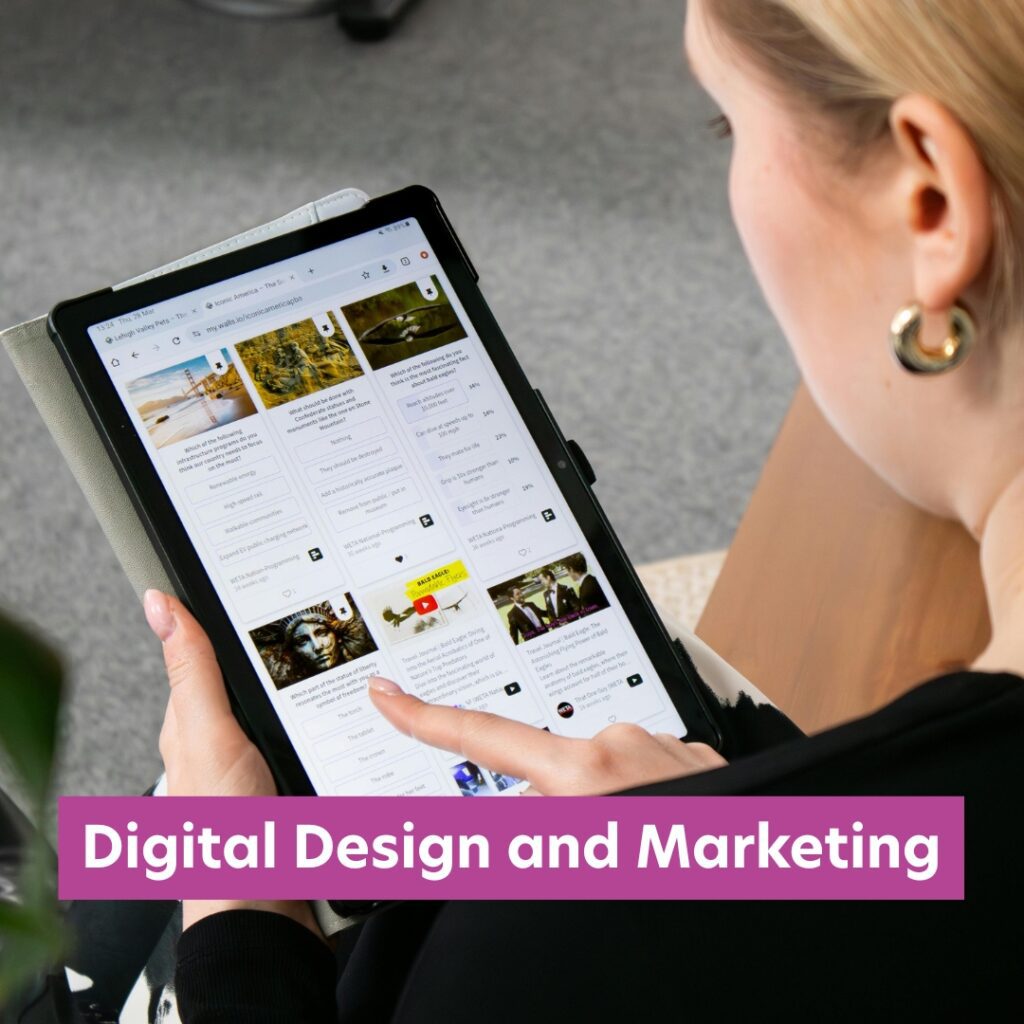
At WM College, our creative digital media courses give adult learners hands-on experience with industry-standard software and practical techniques across film, photography, graphic design, web design and audio production. These are the same tools and skills employers expect in today’s creative industries, helping to support employability, career change and progression. 

Even better – you will learn in a welcoming, supportive environment with tutors who know your name. As a small specialist college, WM College offers intimate class sizes, meaning you are not just a number – you are part of a creative learning community. 

Key tools in digital creative media and what they do 

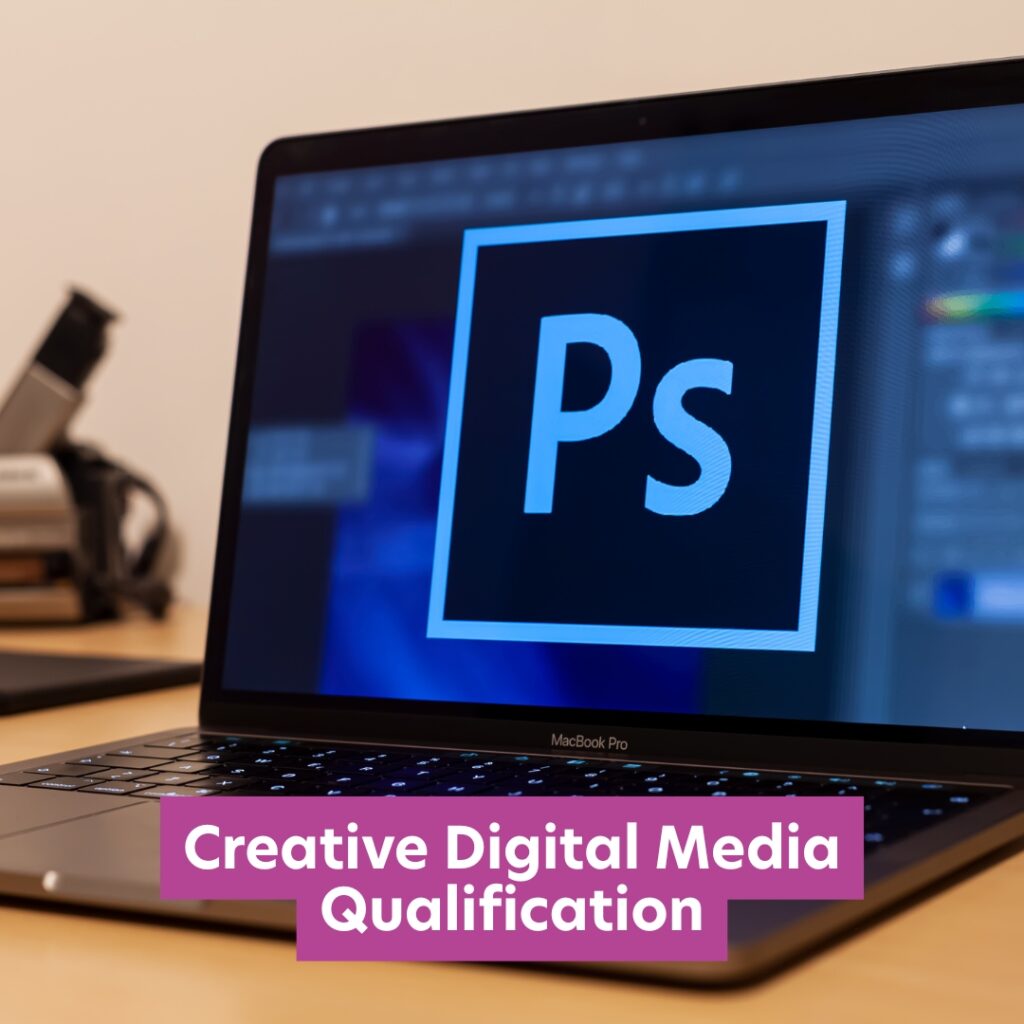
1. Adobe Photoshop 
Adobe Photoshop is the industry-standard software for image editing, photo manipulation and digital design. It is widely used for retouching photographs, creating graphics, designing layouts and preparing content for print and digital platforms. Photoshop is a core skill for graphic designers, photographers, illustrators and digital content creators. 

Our courses introduce essential Photoshop tools, such as layers, masks, and image adjustments, before progressing to more advanced techniques, including montage, composition, and photo-realistic design. These practical skills help learners build a professional digital portfolio. 

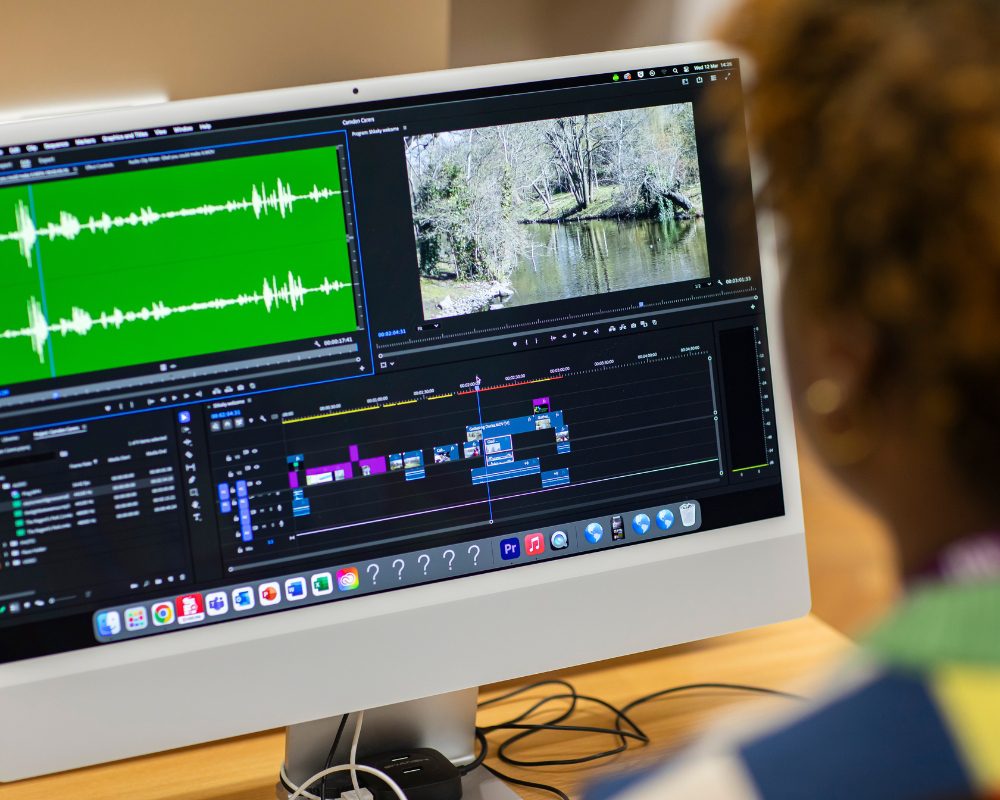
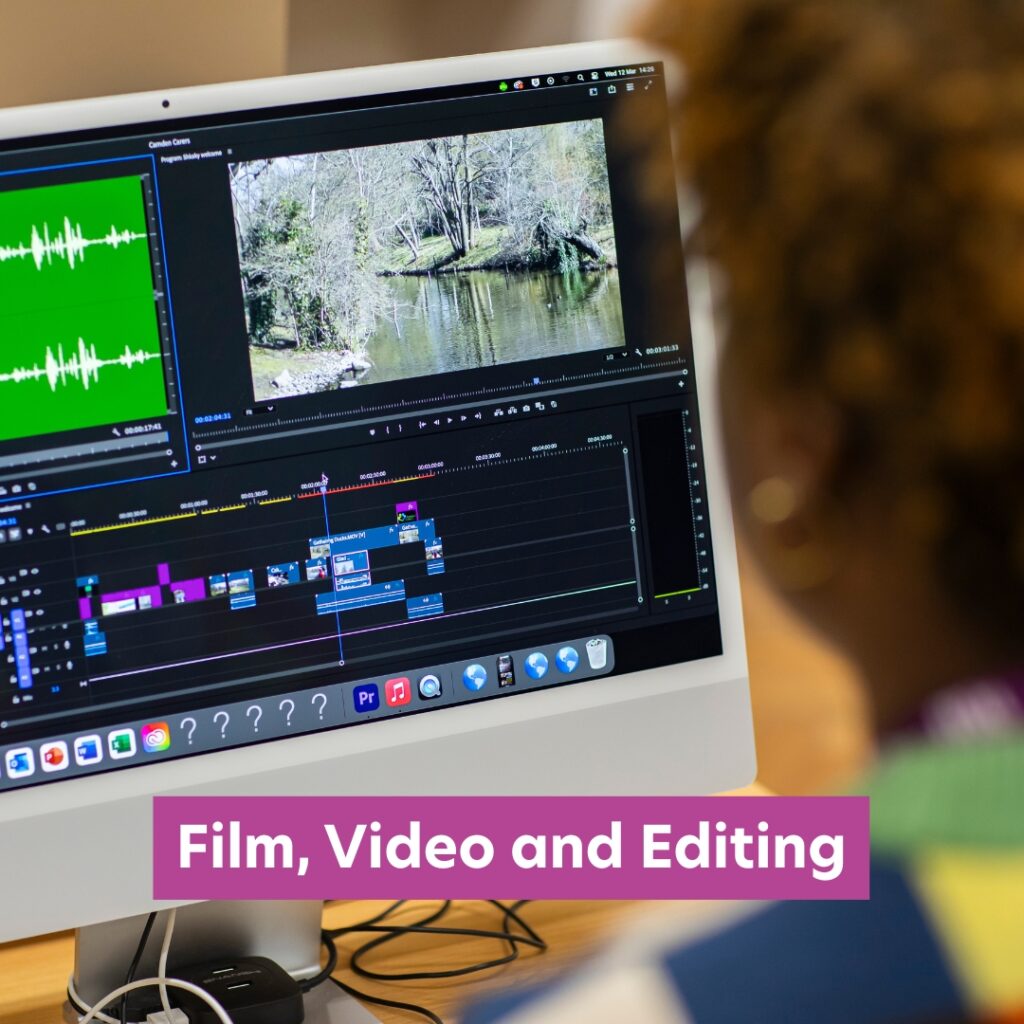
2. Adobe Premiere Pro 
Adobe Premiere Pro is a professional video editing platform used across film, television, social media and online content creation. It allows you to edit footage, add titles and transitions, manage audio, apply colour grading and shape clear visual narratives – from short-form videos to longer films. 

At WM College, video editing courses support beginners through to more confident users, developing strong editing workflows and industry-relevant techniques that are essential for careers in film-making, media and digital content production. 

3. Adobe Audition / Logic Pro and Sound Tools 
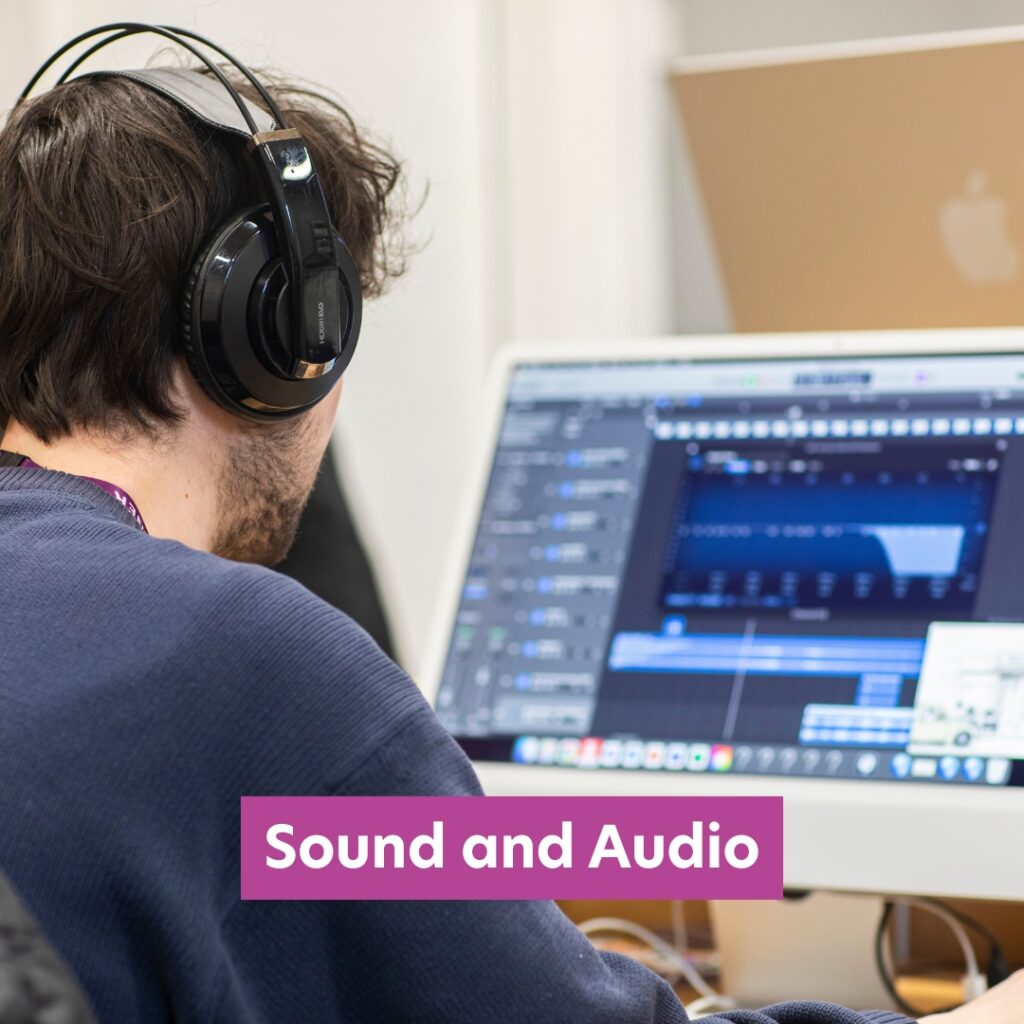
Audio production is a vital part of digital creative media. Adobe Audition and Logic Pro are used for recording, editing, mixing and refining sound for film, music, podcasts and digital media projects. 

You will learn sound recording techniques, audio editing, foley (the creation of sound effects), and post-production processes that help create polished, professional multimedia work suitable for portfolios and employment. 

Other creative digital tools you might meet with us 

  • After Effects: Motion graphics and visual effects tools used to enhance video storytelling and animation. 
  • InDesign and Illustrator: Industry-standard software for layout design, branding, illustration, posters and digital publishing. 
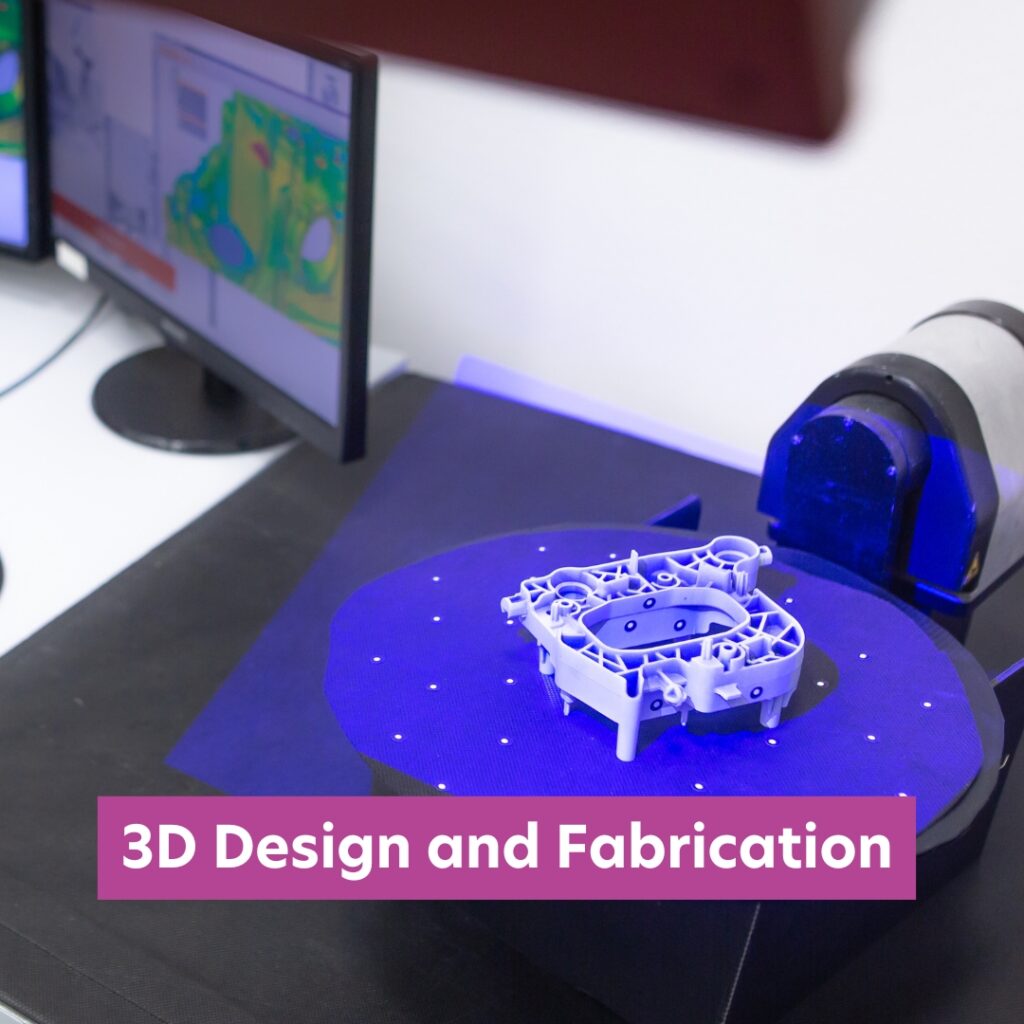
  • 3D tools and digital fabrication: Tools that support creative experimentation in 3D design and production beyond flat screen media.

Why do these skills matter for your career? 

They are industry standard 
Digital creative media tools are used across design studios, film and video production, marketing, and publishing. Learning these platforms gives you practical, job-ready skills that employers expect.

Many entry-level creative roles ask for experience with tools like Adobe Photoshop, Premiere Pro, and audio editing software.

They help you build a portfolio that shows what you can do 
Digital creative media is about creating meaningful work – telling stories, communicating ideas and solving creative problems. These tools allow you to produce a range of projects, from graphic design and video editing to audio and multimedia work. 

A professional portfolio is essential when applying for jobs, apprenticeships, or further study.

They enable you to work across industries 

Creative digital media skills can lead to opportunities in:

  • Graphic design and branding 
  • Film and video production 
  • Photography and photo editing 
  • Social media content creation 
  • Podcast and audio production 
  • Web and digital publishing

With creative roles increasingly overlapping, a broad digital skill set makes you more adaptable, confident, and employable.

Grow with us at WM College

Whether you’re new to creative digital media or looking to build on existing skills, WM College offers courses designed to help you grow.

You’ll benefit from:

  • Hands-on learning using Macs and industry-standard software
  • Clear beginner to intermediate pathways
  • Project-based learning inspired by real industry workflows
  • A welcoming, supportive learning environment

From your first photo edit to creating a short film, you’ll gain practical, career-ready skills while developing your own creative voice and direction.

Ready to take the next step? Explore courses in:

Find your 2026 learning resolution 

The start of a brand-new year is nearly here, and we all know how it goes. We make promises to ourselves, to go to the gym more often, eat better, maybe even get organised and somehow, by early January, those well-meaning resolutions start to slip. Sound familiar? 

This year, why not try something a little different? Instead of setting up a resolution that feels like a chore, set a learning resolution, one that sparks your curiosity, builds your confidence, and feels genuinely rewarding. 

And the best part? WM College’s January courses are now open, so you can jump straight in without the faff of waiting around or overthinking what to do over the next few months.

Here’s a little secret: resolutions are easier to keep when they reflect who you are — your strengths, interests, and personality. When learning feels like an exciting challenge rather than a box-ticking exercise, staying motivated comes much more naturally.
Choosing the right course doesn’t have to be difficult. Understanding your learning personality can help you find a course that motivates and inspires you. Below are some common learning personalities and the WM College courses that suit each one.

Scroll on to see which courses might be right for you.

What kind of learner are you? 

The innovator

Do you enjoy understanding how things work and improving the way they’re done? Are you motivated by solving problems, analysing information, and turning ideas into practical outcomes? If so, you might be an innovator. 

Innovators love challenges. They like working things out logically and enjoy courses that make them think, plan, and problem-solve. These are the people who often spot opportunities before anyone else does, and they love turning ideas into practical solutions. 

Subject area that may suit you: 
• Business
• IT 
• Maths
• Accounting & payroll
• Computing 
• Fashion & textiles
• Woodcarving & frame making


The creative thinker 

If you enjoy working visually, experimenting with materials, or bringing ideas to life through making, you may be a creative thinker. 

Creative thinkers are drawn to learning that allows them to explore, experiment, and develop their own style. They enjoy working with colour, form, and texture, and often feel most engaged when they are creating something tangible, whether that’s an artwork, a crafted object, or a digital piece. 

Choosing a course that feeds your creativity helps you stay motivated, explore new techniques, and discover talents you didn’t even know you had. At WM College, we encourage hands-on learning and experimentation, so you can really play with your ideas and see them come to life. 


The people-person

If you enjoy working with others, supporting people, or contributing to something that has a positive impact, you may be a people-person. 

People-person learners are motivated by interaction and purpose. They tend to learn best in environments where communication, teamwork, and real-world application are central. They are often drawn to subjects that involve care, wellbeing, sustainability, or community-focused work, where their skills can make a practical difference.  

The right course will let you build practical skills while letting your natural empathy and communication talents shine. At WM College, our tutors help you apply what you learn in real-life situations, so your skills are meaningful from day one. 

Subject area that may suit you:
• Health & wellbeing
• Green skills & sustainability


The explorer 

If you’re motivated by learning about people, places, and ideas beyond your everyday experience, you may be an explorer. 

Explorer learners enjoy subjects that broaden their understanding of language, culture, and communication. They are often drawn to learning that involves discussion, reading, listening, and practical use of language, rather than abstract theory. Progress feels most meaningful when learning connects to real-world contexts and everyday life. 

At WM College, you’ll have the opportunity to learn at your own pace, practise what you discover, and explore topics in a way that’s engaging and interactive. 

Subject area that may suit you:
• English
• ESOL
• Italian
• Spanish
• French 


The confidence builder 

If you’re motivated by progress and personal growth, you enjoy challenges that help you feel proud of your achievements and show you what you’re capable of, you may be a confidence builder. 
 
Confidence builders are motivated by small wins. They enjoy courses where each task, project, or performance helps them feel more capable and assured. Learning feels most rewarding when you can clearly see how far you’ve come 
 
Courses in public speaking, creative writing, digital skills, or project-based learning are great because each task completed boosts your confidence and helps you see tangible results. 

Subject area that may suit you:
• Creative writing
• Performing arts


Jack of all trades

If you see yourself in more than one of these learning styles, you’re not alone. Many learners are curious, creative, and practical all at once, and that’s a strength, not a problem. 

If you’re keen to explore different subjects without committing to a full weekly schedule, our Saturday courses are a great place to start. They’re designed to fit around busy lives, giving you the freedom to try something new, build confidence, and see what really interests you. 

Subject area that may suit you:
• Saturday courses

So… what will your learning resolution be? 

Learning something new can build confidence, open doors, and bring a real sense of achievement, especially when you choose a course that matches your interests, strengths, and lifestyle. 

That’s exactly what WM College is here for. 

With a wide range of January courses starting soon and flexible options, it’s never been easier to turn your 2026 learning resolution into reality. 

Explore WM College’s January courses and get started today: 

Learner spotlight: From nervous beginner to confident digital learner

As part of our New Year Learning Countdown series, this learner spotlight shares a story that will resonate with many adult learners.  

Starting something new as an adult can feel daunting, especially when it involves skills you’ve never used before. Many of our learners who come to WM College are unsure of where to begin, carrying doubts about their confidence, their abilities, or whether learning is “for them” anymore. 

Stephanie’s story will feel instantly familiar to many. It’s a journey of taking small, courageous first steps, facing fears head-on, and discovering new confidence through learning and growth. From being nervous around computers to developing the digital skills needed for teacher training and community work, her experience shows how the right support and encouragement can open doors at any stage of life. 

First steps into digital learning 

When Stephanie first arrived at WM College, she described herself as “…frightened to sit next to a computer.” She had never used one before and wasn’t sure where to begin. But instead of letting that fear hold her back, Stephanie took a brave first step by enrolling in one of our computer skills courses. That single decision changed everything for her. 

From nervous beginner to digitally confident learner 

Now, Stephanie is studying a teacher training course, a programme that demands a huge level of digital confidence. Not only is she managing the demands of the course, but she’s also thriving. 

She now uses email, Microsoft Teams, and online research tools with confidence, and regularly creates digital resources to support her studies. These are skills she developed gradually, through patience, practice, and the supportive learning environment she’s come to value at WM College. 

She commented, “Sometimes I pinch myself,” she laughs. “Is it really me doing all this?” 

Digital skills transforming everyday life 

Stephanie’s progress hasn’t just helped her academically; it’s strengthened her life outside the classroom too. She volunteers at St Baban’s Church, where she teaches English to adults in her community.  

Thanks to her growing digital skills, Stephanie can now research lesson materials, communicate more confidently, and even create PowerPoint presentations to support her learners. What once felt impossible has become part of her everyday life. 

A supportive place to learn at any age 

 What Stephanie values most about WM College is the sense of belonging. 

“This is my second home,” she says. “Warm, friendly, welcoming. I feel included, no matter my age.” 

Her advice to anyone thinking about returning to learning is simple but powerful: 

“Don’t be afraid. You’ll be supported, and even if it takes a little longer, you will achieve what you want.” 

Take your first step 

Stephanie’s story is a reminder that it’s never too late to build confidence, learn new skills, and open doors you didn’t even realise were there, especially with the right support. 

If her journey resonates with you, why not take your own first step? Join us at our Open Day on 8 January, 4 pm–7 pm, where you can explore our range of courses, including Computer & Digital Skills, and get involved in free taster workshops in Spanish and Creative Writing. 

It’s a great opportunity to meet tutors, try something new, and discover where learning at WM College could take you next. 

WM COLLEGE
44 Crowndale Road
NW1 1TR
Tel: 020 7255 4700
Email: learnerservices@wmcollege.ac.uk